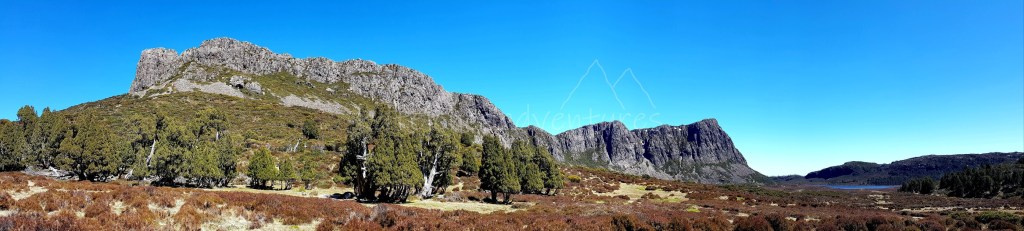
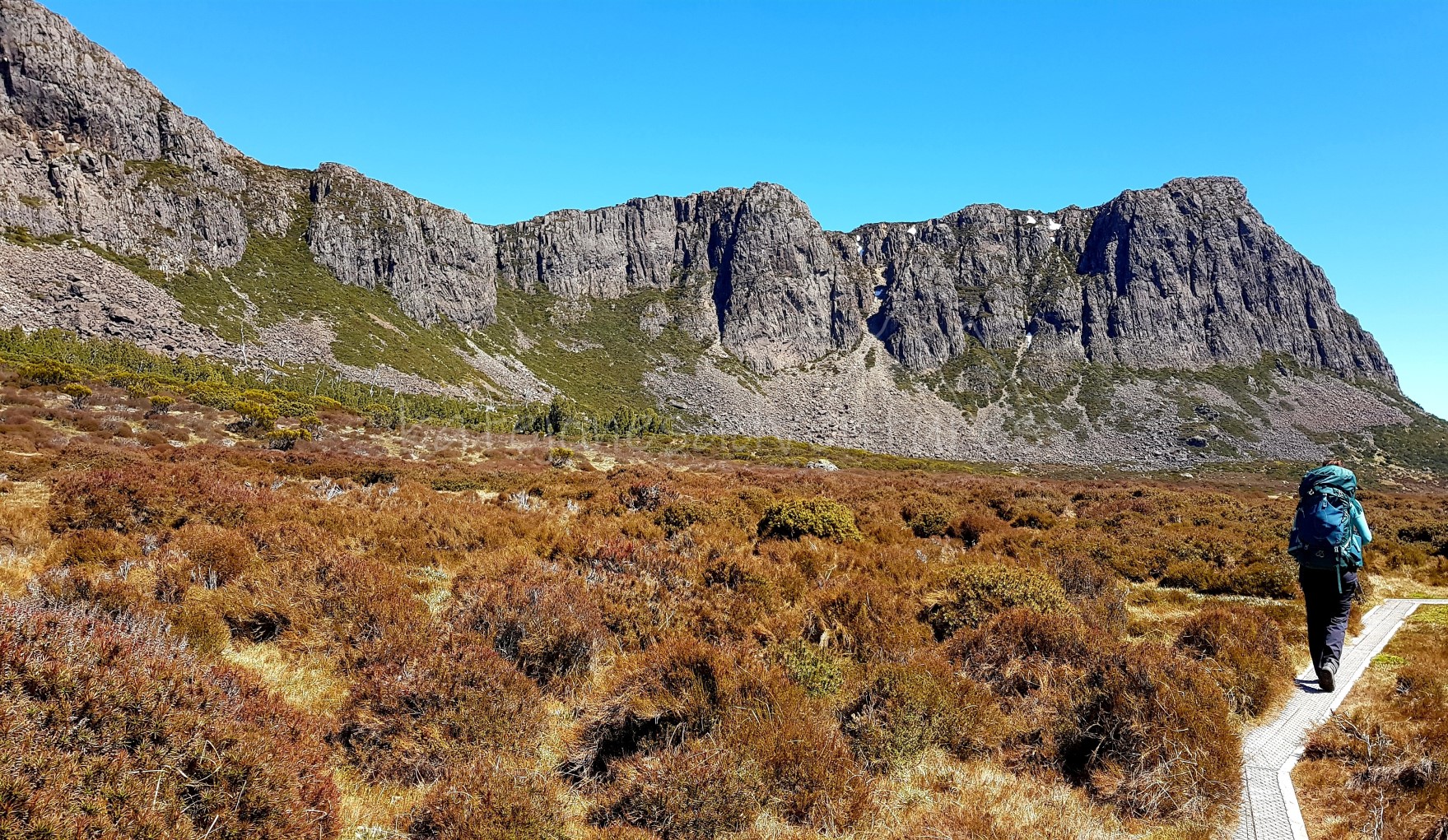
Walking through the valley of the Walls of Jerusalem, a rugged and remote wilderness within Tasmania’s Central Plateau, is nothing short of jaw dropping.
Recently I spent 24 hours losing myself (thankfully, not literally) in the Walls of Jerusalem National Park and while I wish I had stayed longer the forecast of bad weather cut my trip short. Even so, just a taste was enough to whet the appetite.
The carpark where you start the walk is about 2 hours from Launceston and it’s a fairly straight forward trip to follow on Google maps. Keep in mind, the last stretch of the road is on gravel, however a 2WD can easily make the trip.
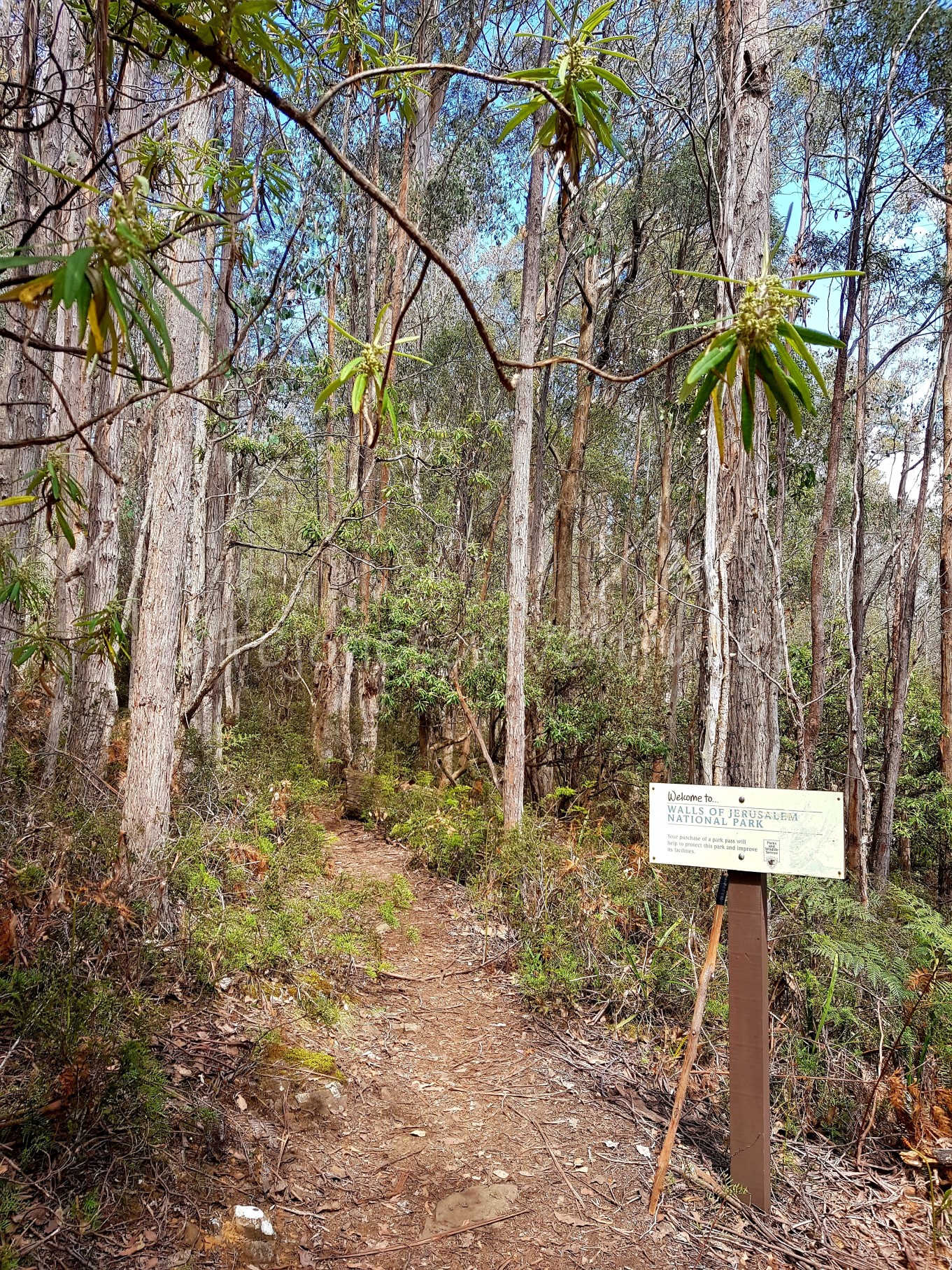
Upon setting out, I was feeling pumped and ready for adventure, but the first 3km soon knocked the excitement out of me. Don’t get me wrong …. the tall forest that surrounds the track is stunning. It’s the trail that’s a punish.
From the get-go you’re heading uphill which probably wouldn’t be so bad but most hikers camp out for a few nights so you’re carrying the weight of a full pack. Despite only heading out for the night, I had all the gear due to the isolation of the park, and I was feeling it.
The first sign you pass warns: “Visitors are advised that it is a 3-4 hour trip (one way only) to the Walls of Jerusalem. The track climbs from 680 metres at this point to an elevation of 1250 metres below the West Wall. The area is subject to rapidly changing and extreme weather conditions that can include snow, gale force winds, dense fog and hail. Adequate clothing should be worn or carried and it strongly recommended that all parties be equipped with a map and compass.” So you need to be prepared.
About 250m in, there’s a shelter to leave your trip intentions. Make sure you are as accurate with your itinerary as possible. Even if you’re considering an extra night; note it down. In this case, it’s far better to overcompensate.
As you continue the gradual climb, you soon pass the Walls of Jerusalem NP sign. The area was officially proclaimed a national park in 1981, with it’s title thanks to 19th-century surveyor James Scott who believed the geographical features of the area resembled the walls of the city of Jerusalem.
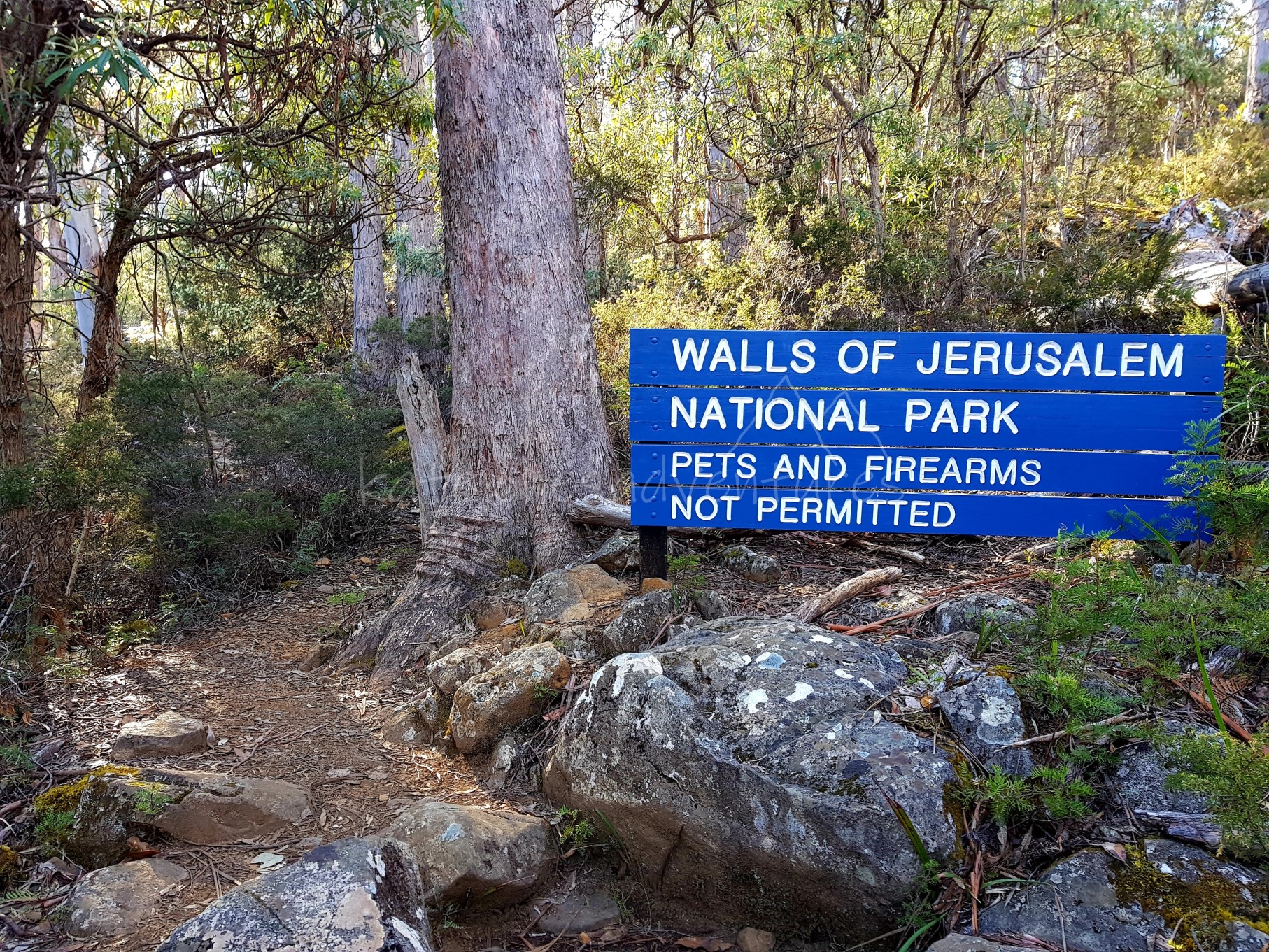
According to Tasmania Parks & Wildlife Services, in the 1920s, Launceston solicitor Reg Hall, a regular visitor, continued the biblical theme when naming natural features, so landmarks are tagged with titles such as Zions Gate, Herods Gate, Wailing Wall, Pool of Bethesda and The Temple.
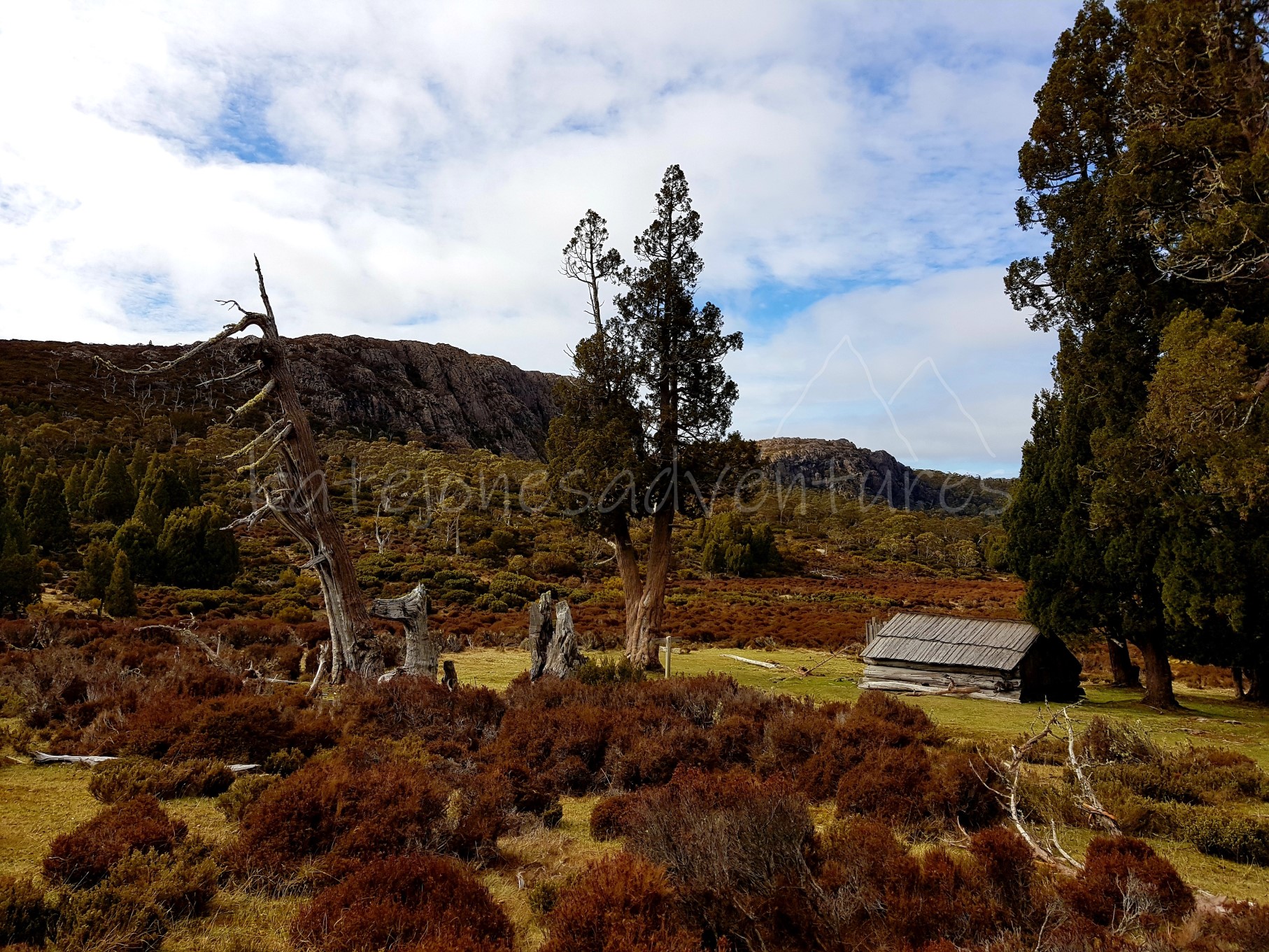
About 2km further into the walk, there is a hut which is a good spot to rest those weary legs. Make sure you pop inside as there is great information boards capturing the history. This particular snarers’ hut was built in 1989-90 and is a reconstructed version of the original that was used in 1946 as a base to capture and skin Bennetts Wallabies, rabbits and possums.
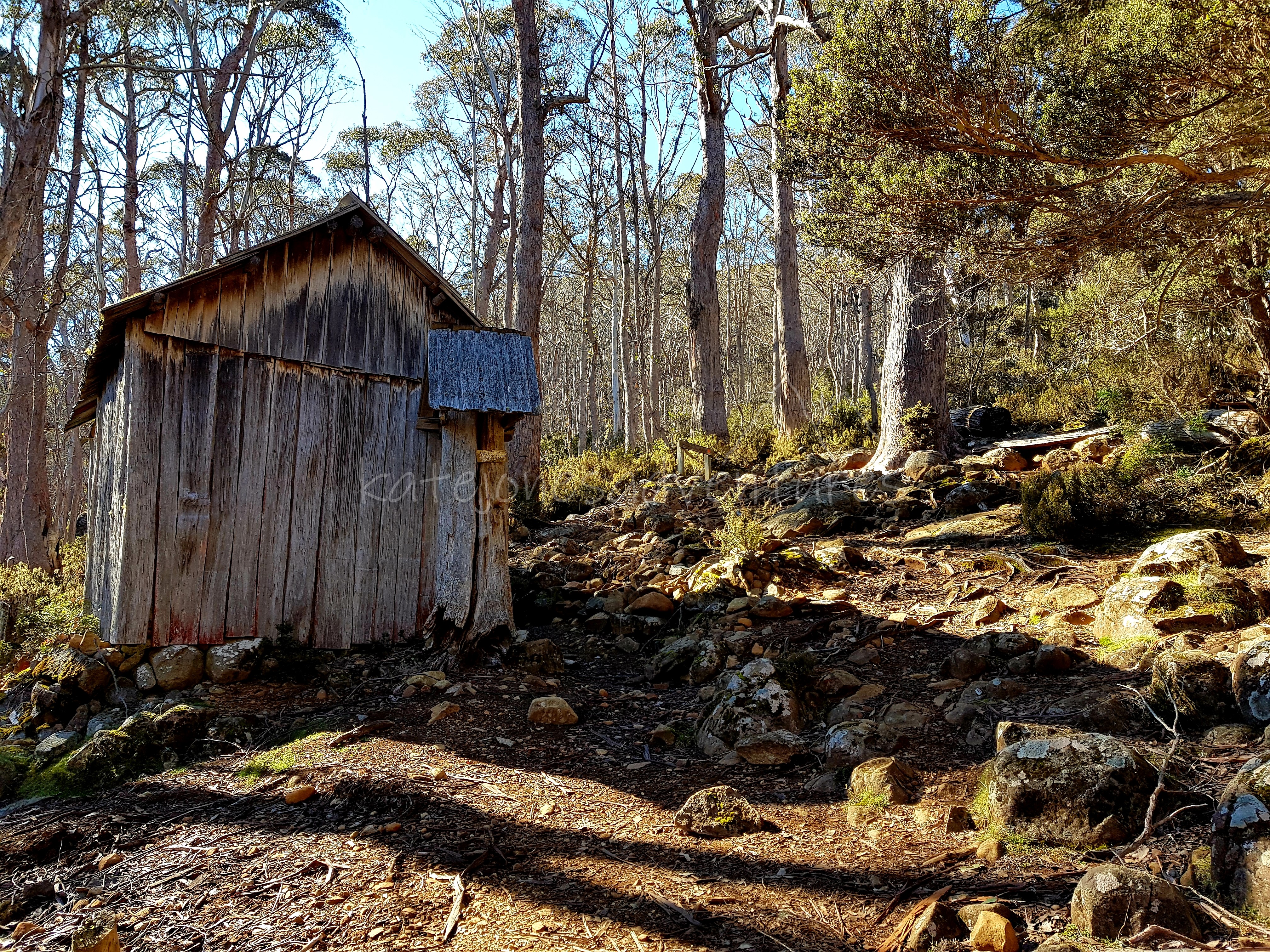
These days it serves as an emergency shelter and appeared to be pretty well looked after. Thankfully there was no need to stop for more than a quick visit, and I headed on.
Much like before the hut, the climb meanders on a constant ascent before reaching the intersection with the Lake Adelaide track. For those trekkers keen to travel a circuit walk, and not turn around at Dixon’s Kingdom, this is where the path pops back out.
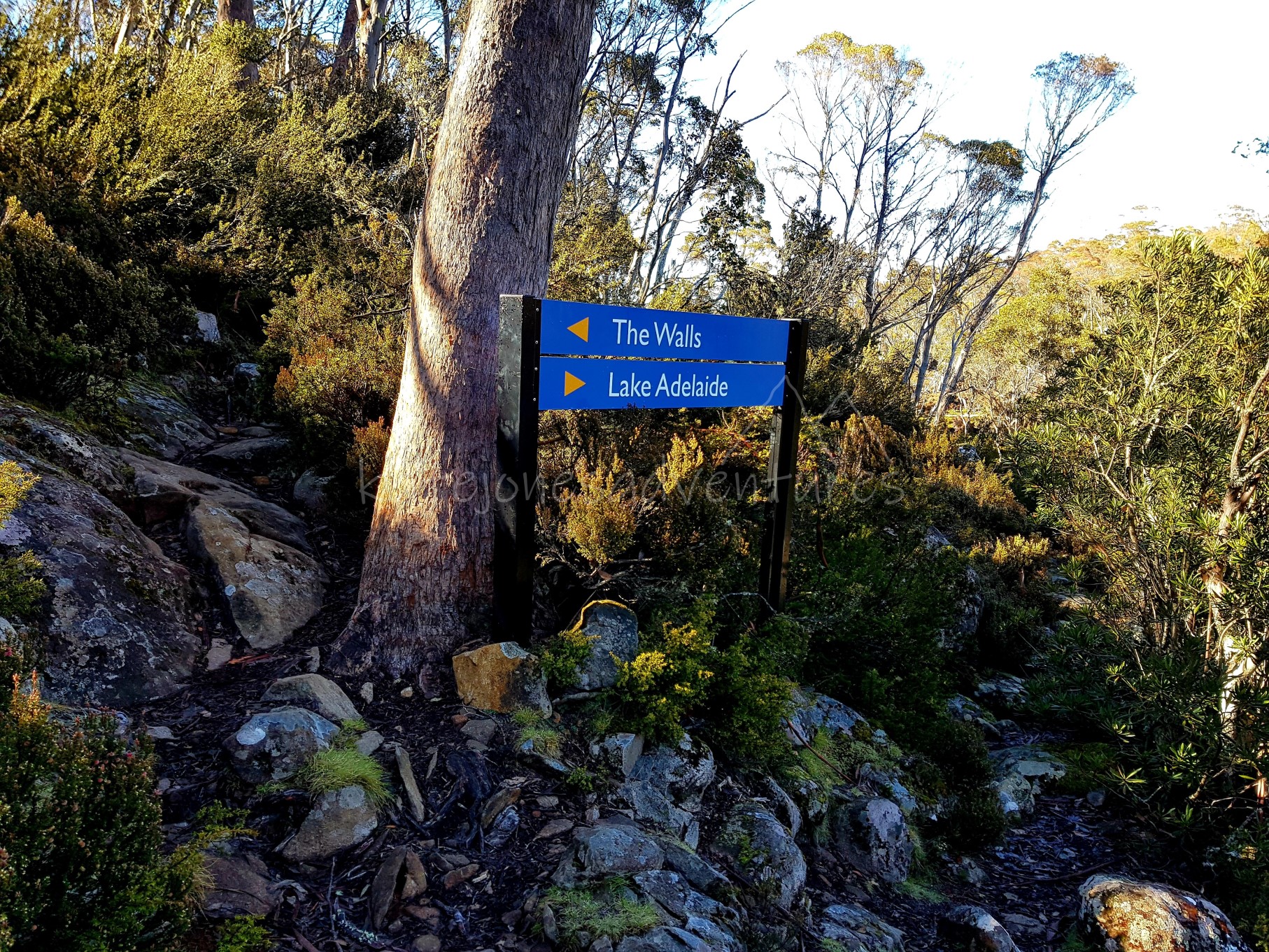
If you do decide to take this journey, it’s important to note that from Dixons Kingdom to Lake Adelaide, the path is not marked and you will need navigation skills, including a map and compass. Due to time, I wasn’t able to undertake this walk, but maybe next trip.
I continued following the direction of The Walls and finally the scenery around me started to change. There was views to the west to the mountains of Cradle Mountain – Lake St Clair National Park, and before long stunning pools popped up as the track levelled out.
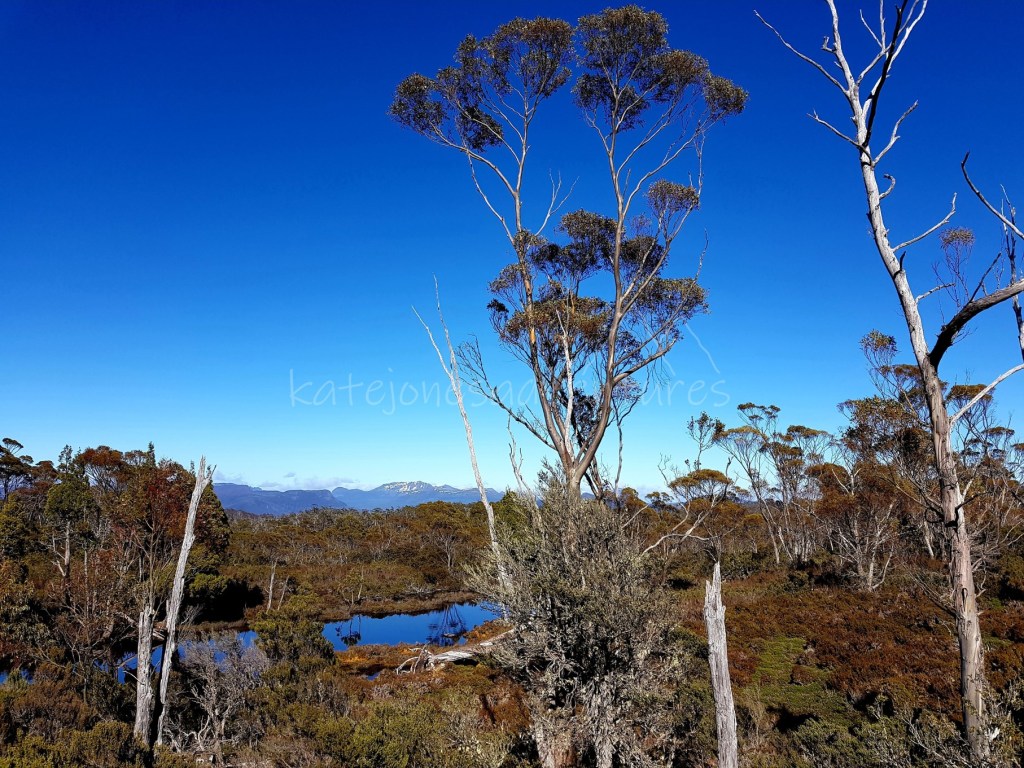
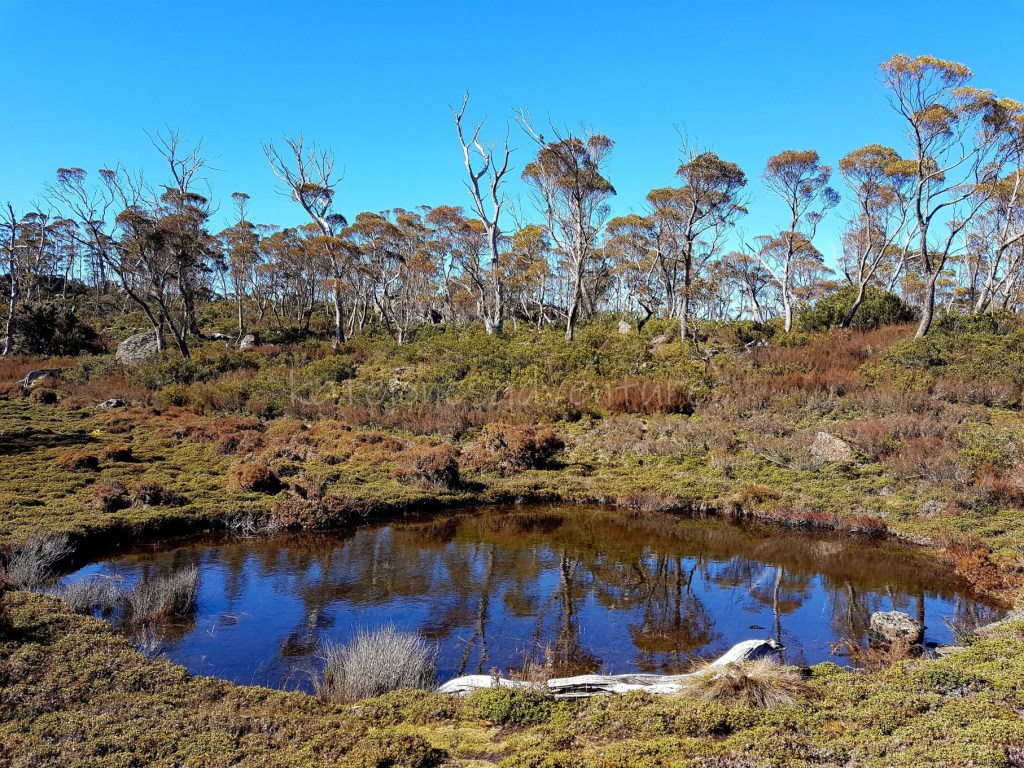
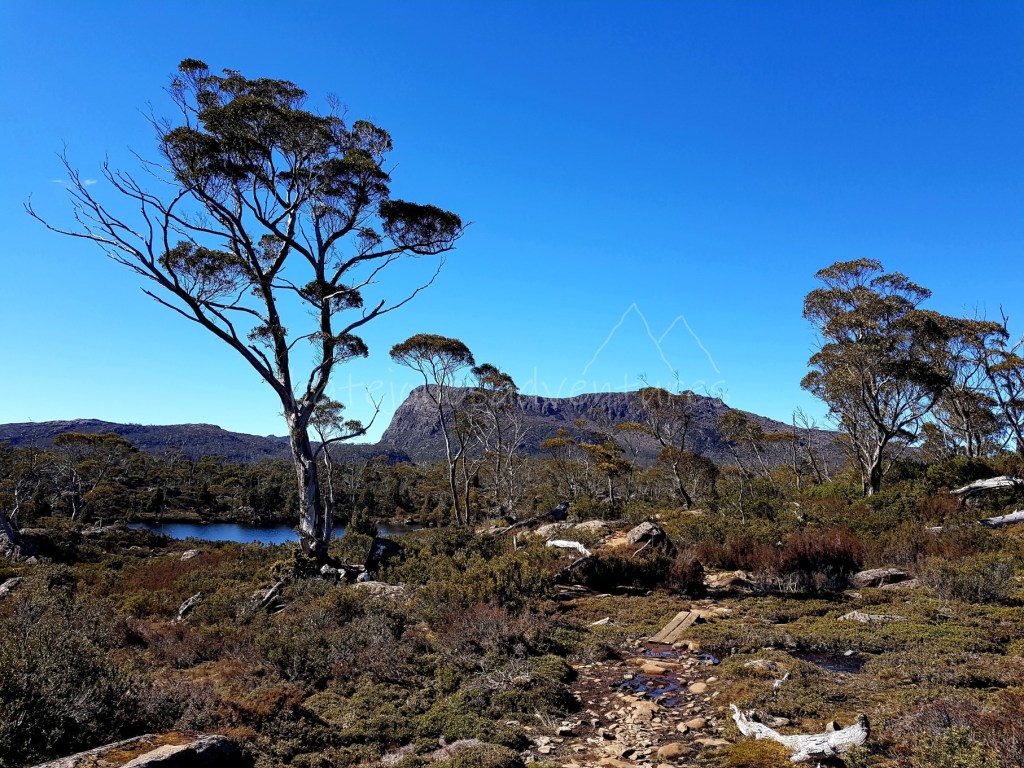
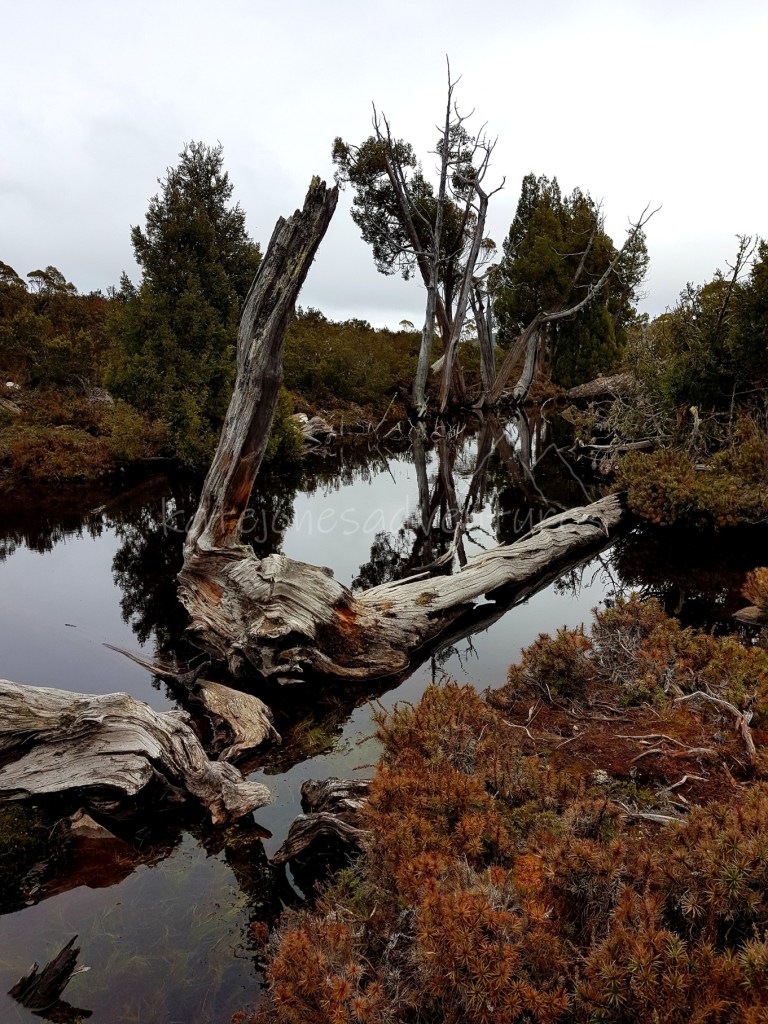
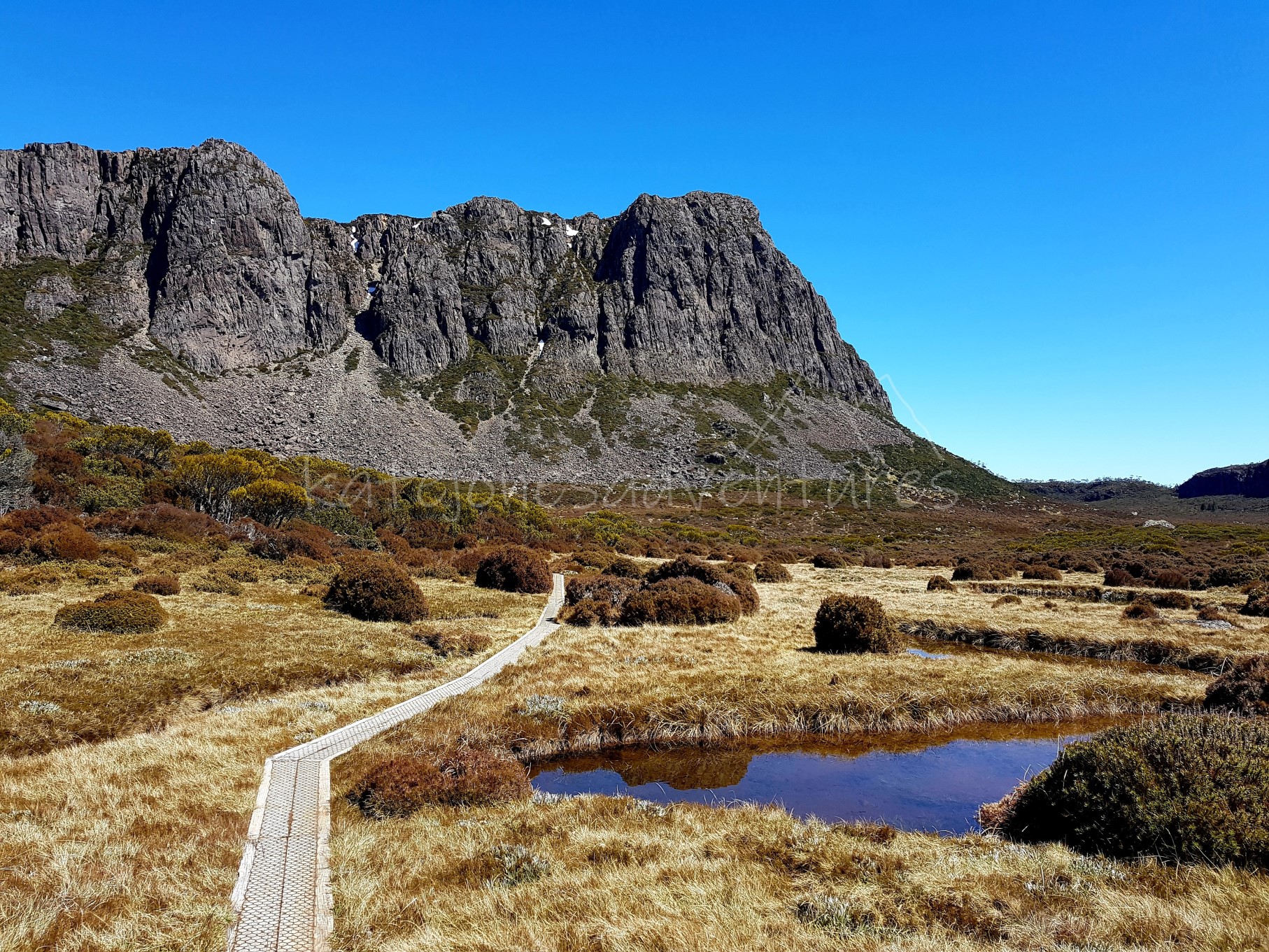
Walking through this section was a welcome reprieve from the hill. It undulates for about 3km through alpine vegetation and passes several tarns, known as Solomons Jewels, before you reach the boardwalk to Wild Dog Creek.
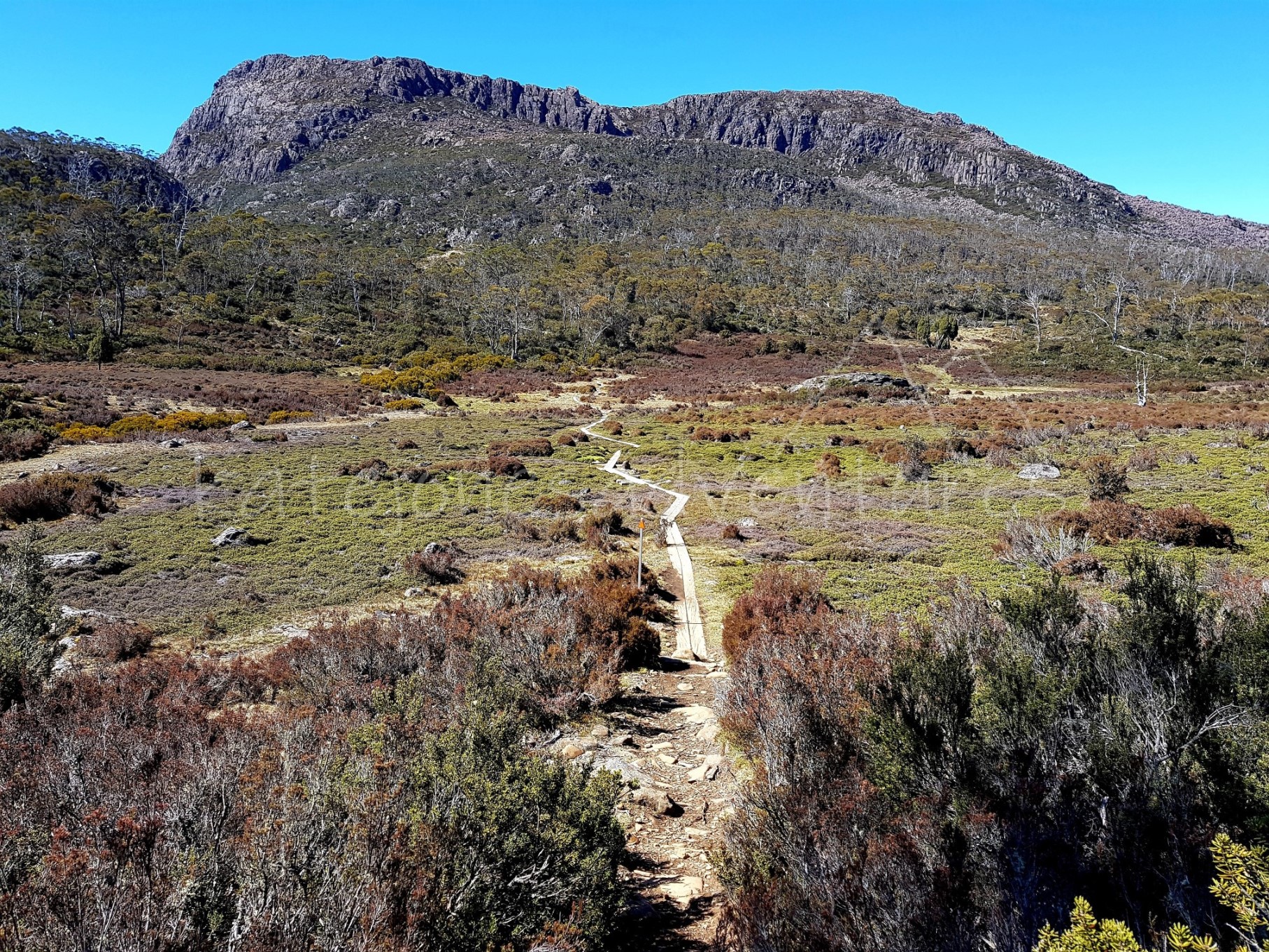
Many hikers camp here overnight and tackle day trips further into the national park carrying lighter packs. National Parks has done a great job constructing several tent platforms and a toilet to reduce the impact made by visitors to this section of the park. There is also water available however you are advised to treat it.
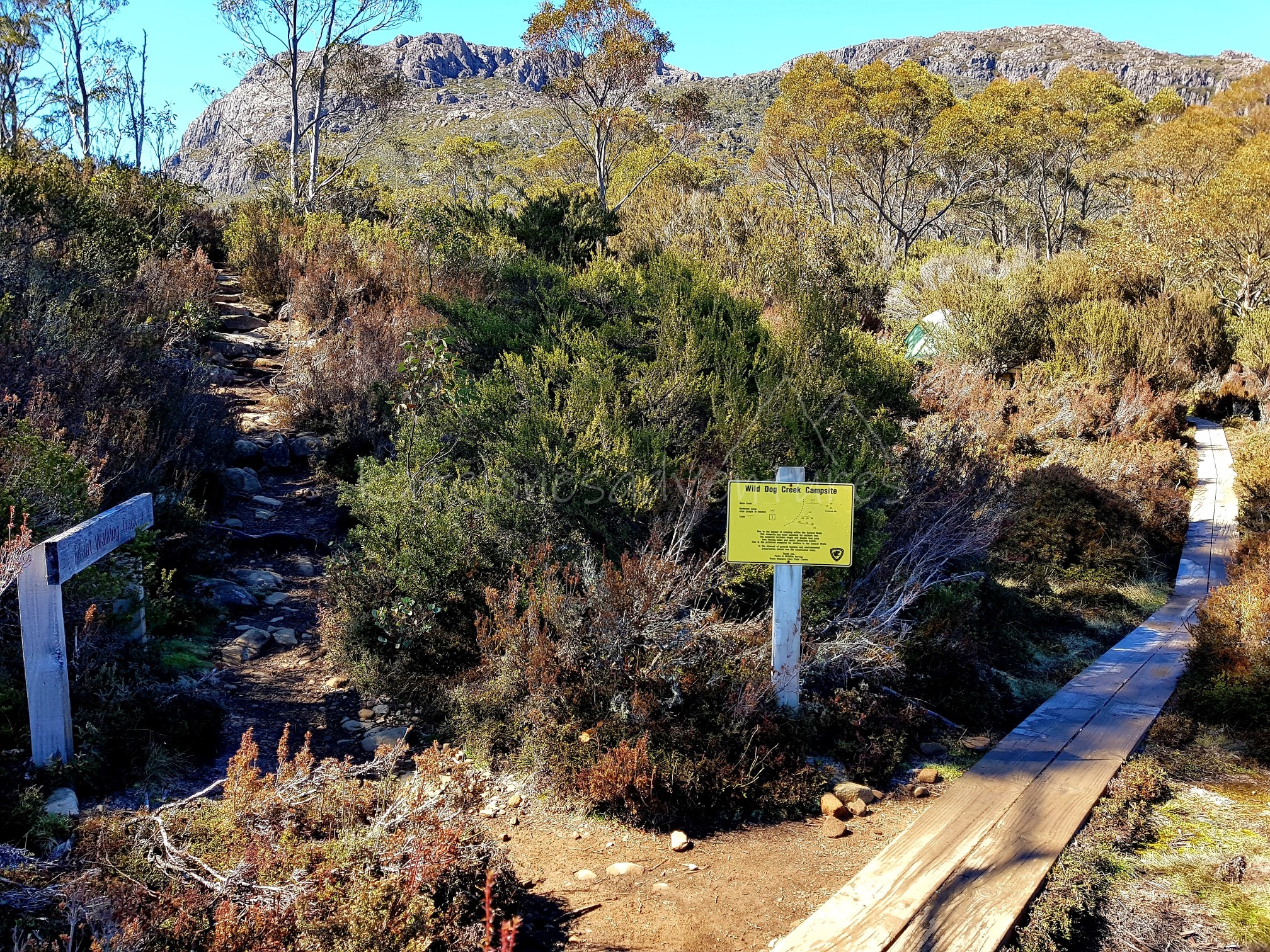
Given it was only 10am when I arrived at Wild Dog Creek, I decided to have morning tea and then continue on to Herods Gate, the entrance to the valley where the park gets it’s name. The most prominent feature, King Davids Peak, stands tall guarding the expansive Lake Salome which soon pops into view on the left.
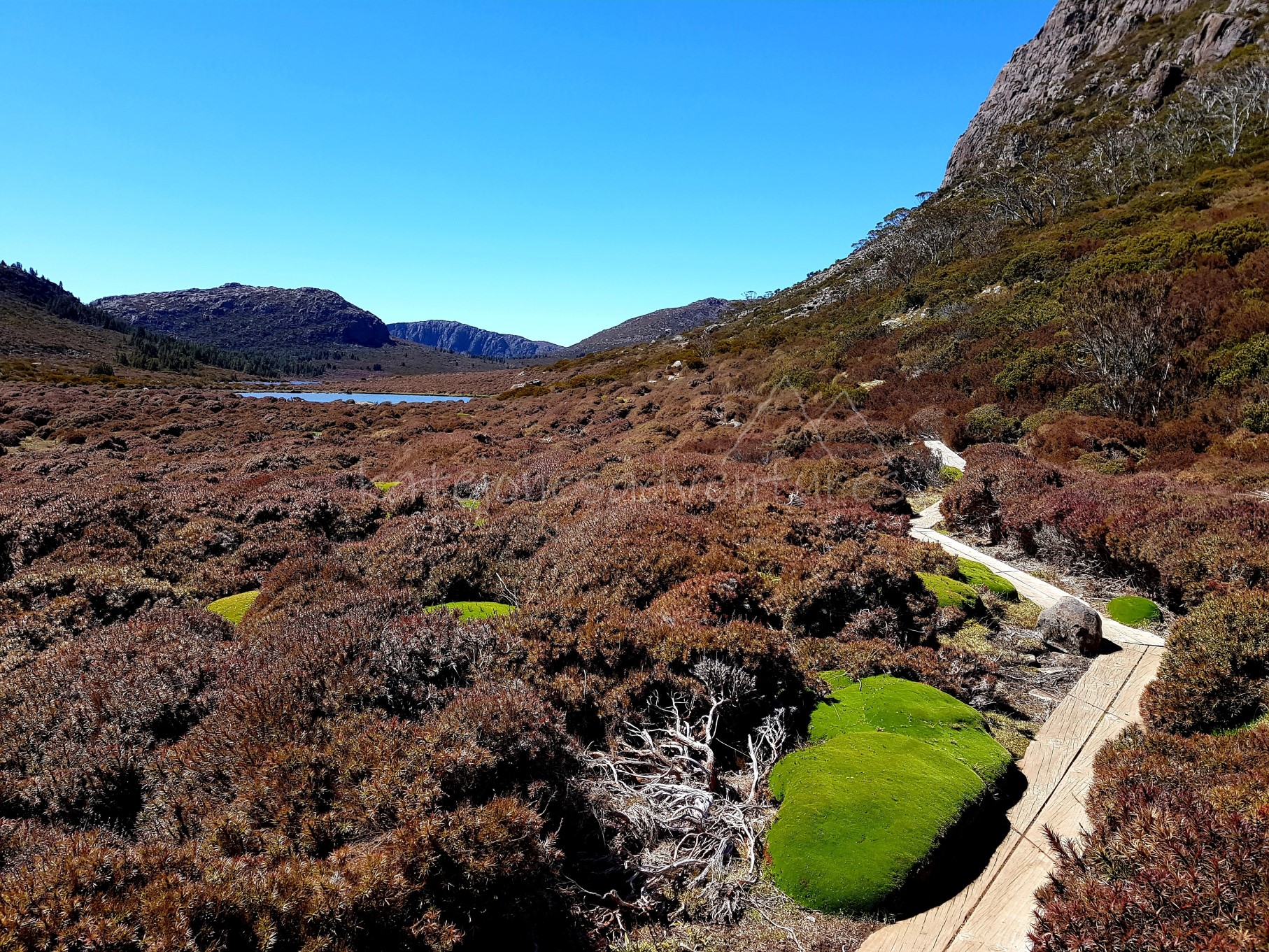
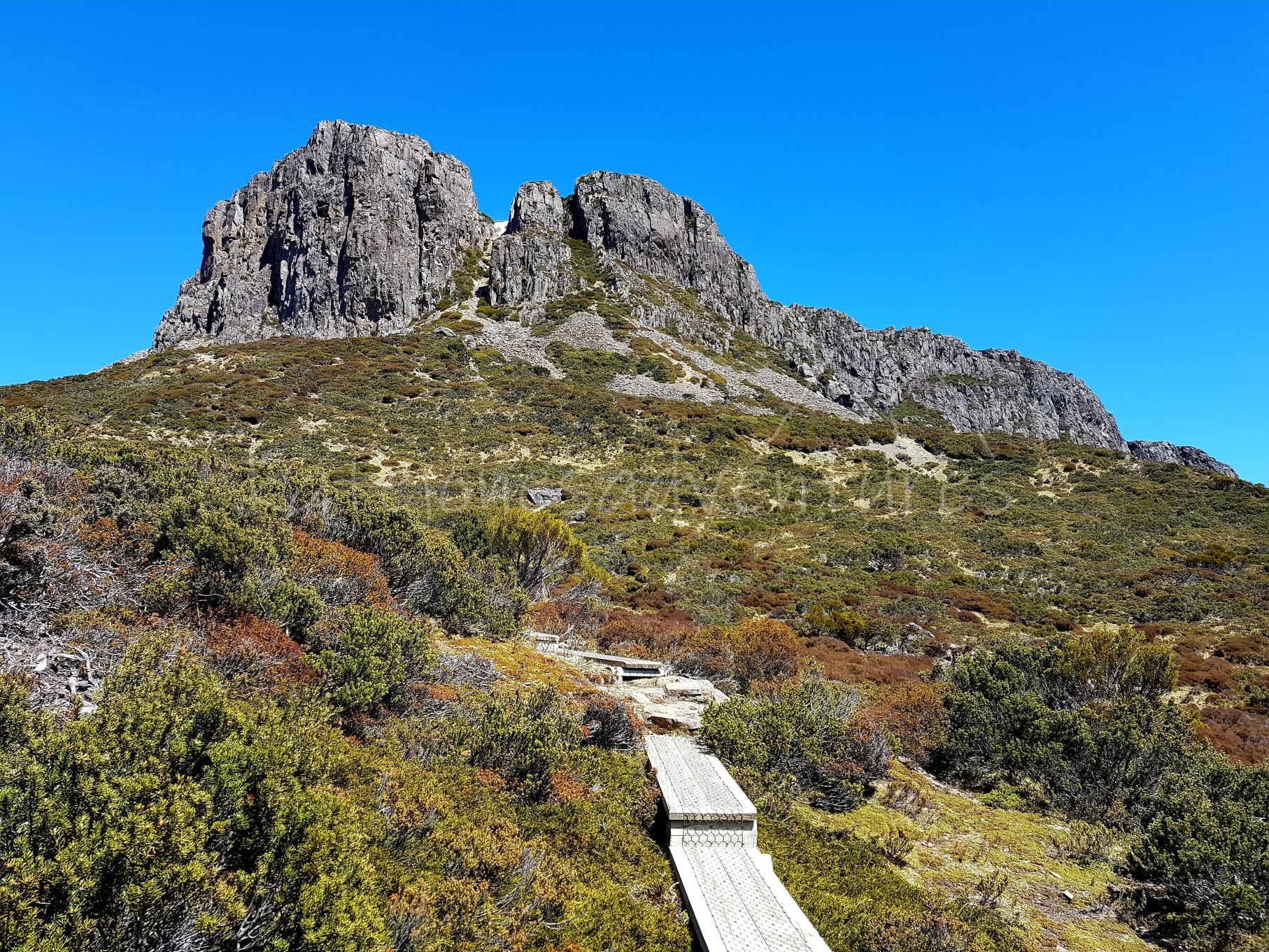
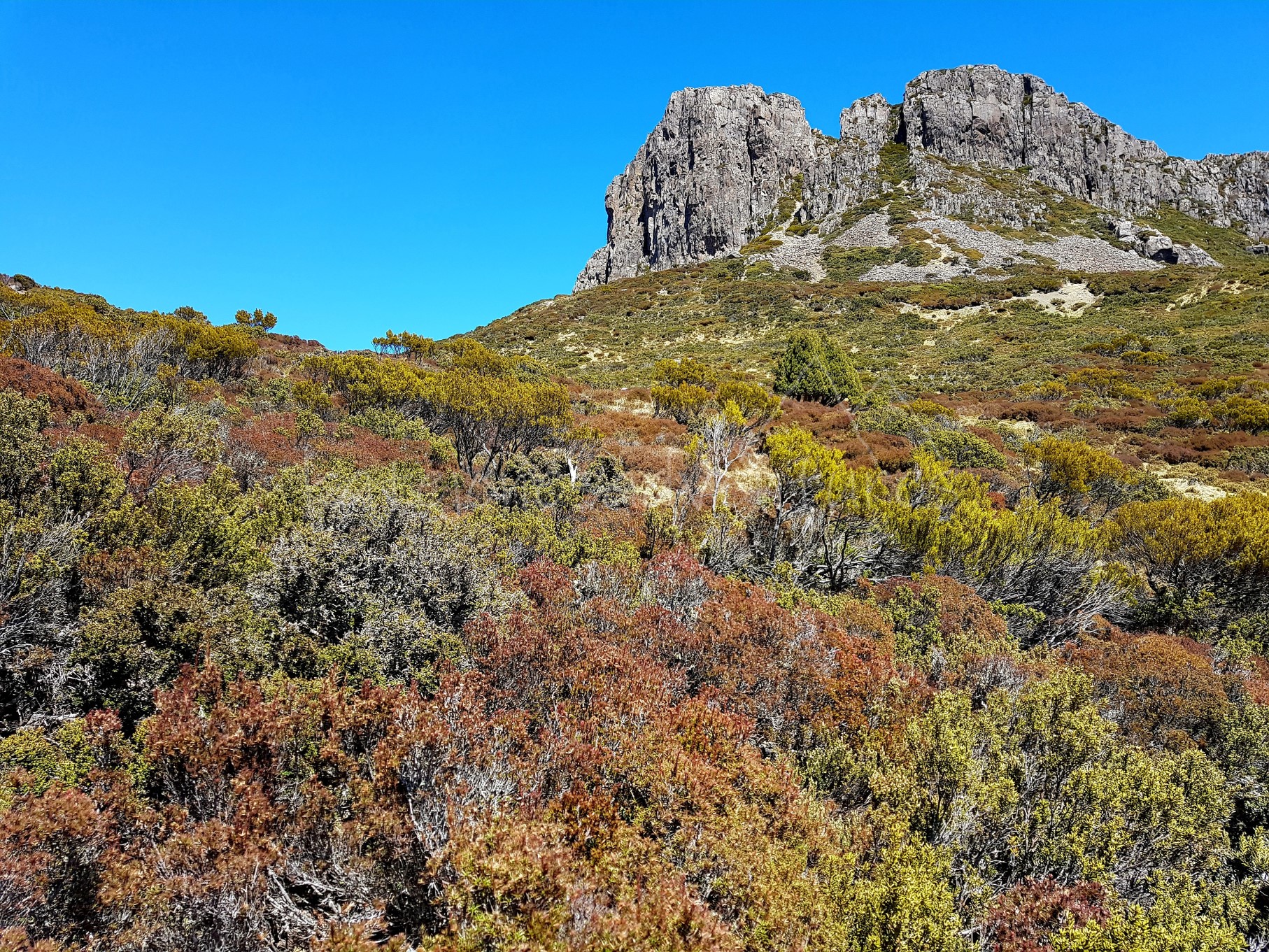
Continuing on the boardwalk, the impressive peaks of of Mt Jerusalem (1459m), The Temple (1446m) and Solomons Throne (1469m) became more distinguishable.
The further into the valley, the more imposing the West Wall felt, towering over and encompassing me. Enjoying the solitude and history surrounding me, I think I sat in awe for more than half an hour before I even took one photo.
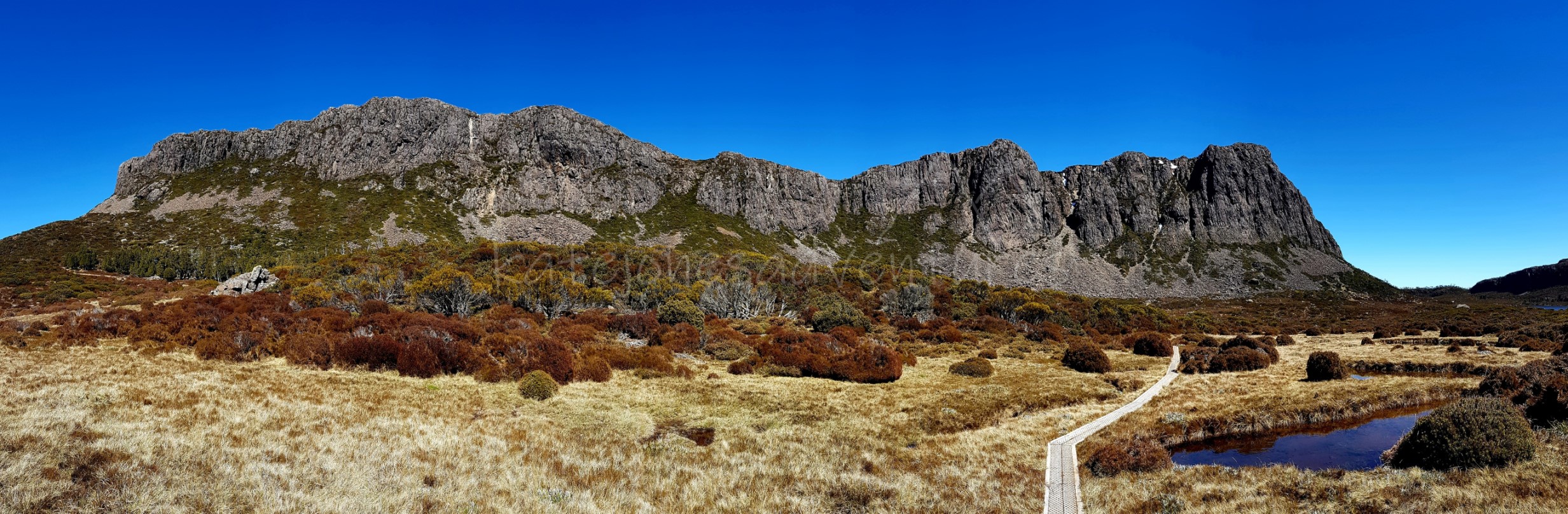
Science tells us the dolerite formed during dramatic tectonic activity within the Jurrassic period some 165 million years ago, and the numerous tarns and lakes are a result of Pleistocene glaciations.
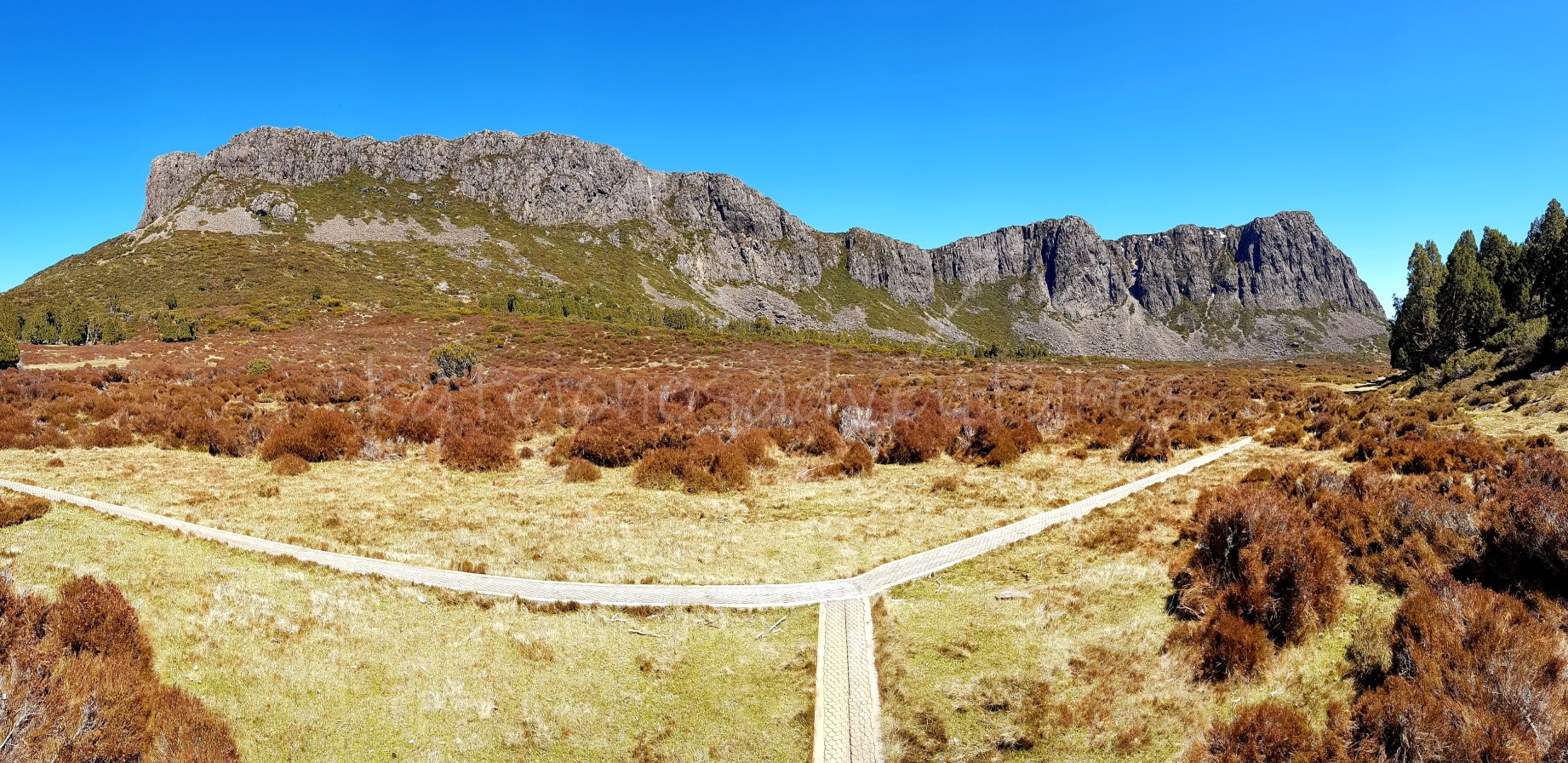
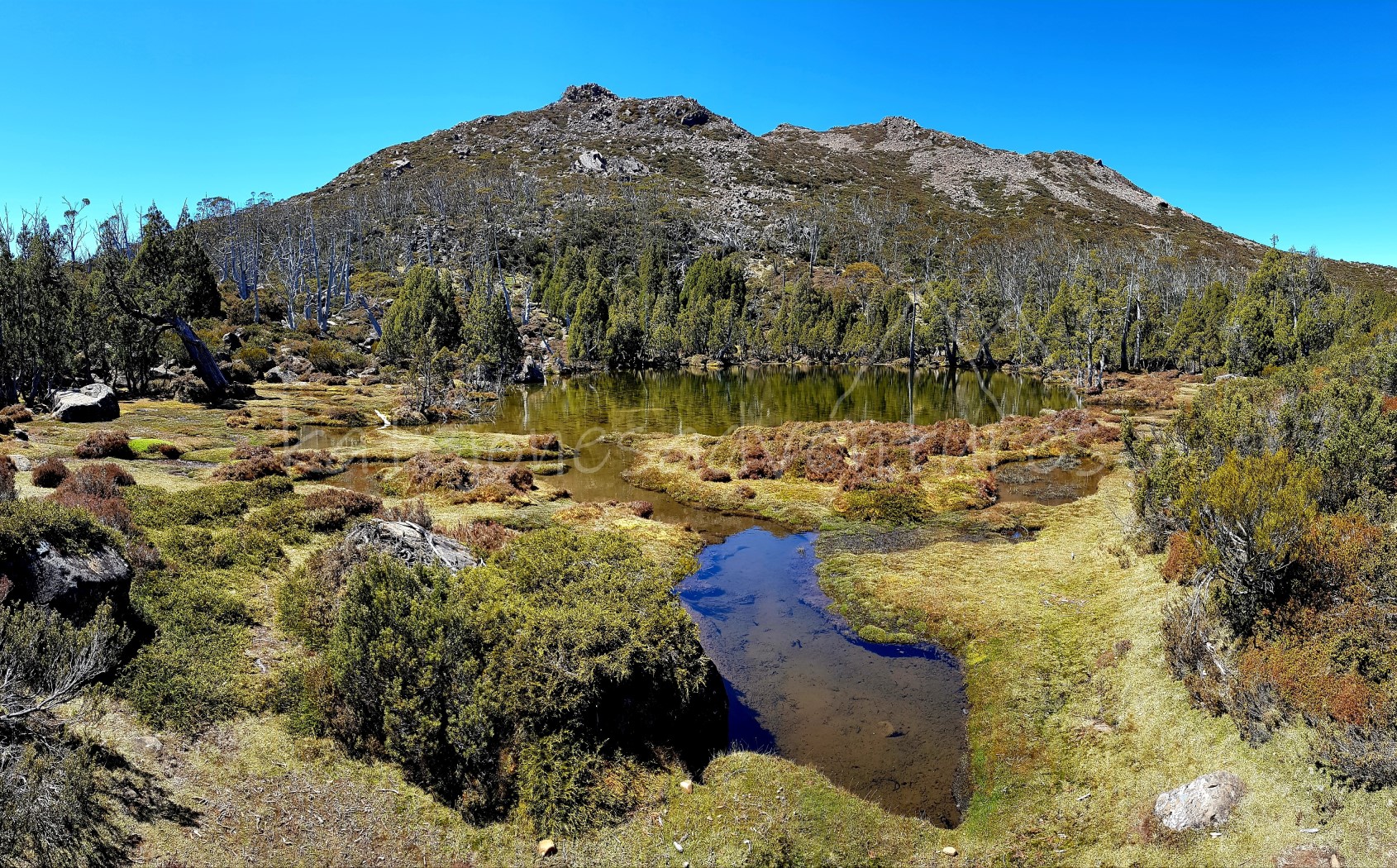
Realising I couldn’t stay here forever, I continued on to the turn off for the Pool of Bethesda. The 100m side trip takes you to a beautiful lake which sits at the base of The Temple. The amazing reflections are worth a look, and the plethora of frogs are worth a listen.
Back on the main track, it climbs towards the open saddle of Damascus Gate which sits between Solomons Throne and The Temple. By this time my legs were keen for a rest, and my tummy was ready for lunch, so I pushed on to Dixons Kingdom Hut a further 1km down the track.
This section of the walk passes through an extensive forest of Pencil Pines to the hut, built by Reg Dixon as a base for cattle grazing. It honestly feel like you’re entering a magical place captured in time. While Pencil Pines are easily destroyed by fire, this pocket is one of the largest remaining on the Central Plateau. Incredibly, some of the trees are believed to be more than 1000 years old.
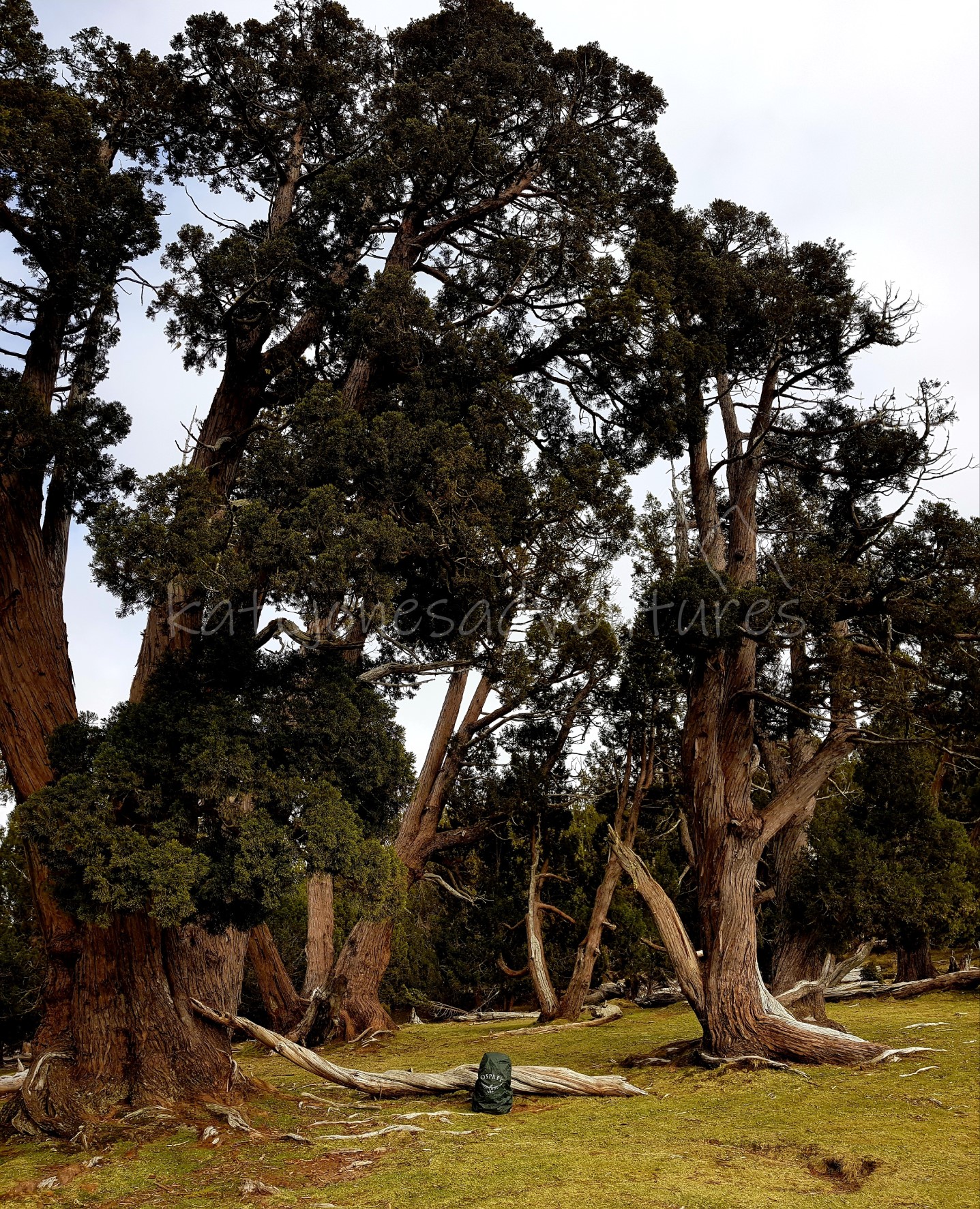
For now, National Parks has not built any tent platforms (and you’re not allowed to sleep in the hut, unless it’s an emergency) so campers can pick a flat spot under the pines or on the edge of the forest (careful if it’s windy as you’re be pretty exposed here). Due to the increase in usage, two toilets have been installed to manage human waste, and I would suggest it’s only a matter of time before a more sustainable option for overnight camping is erected.
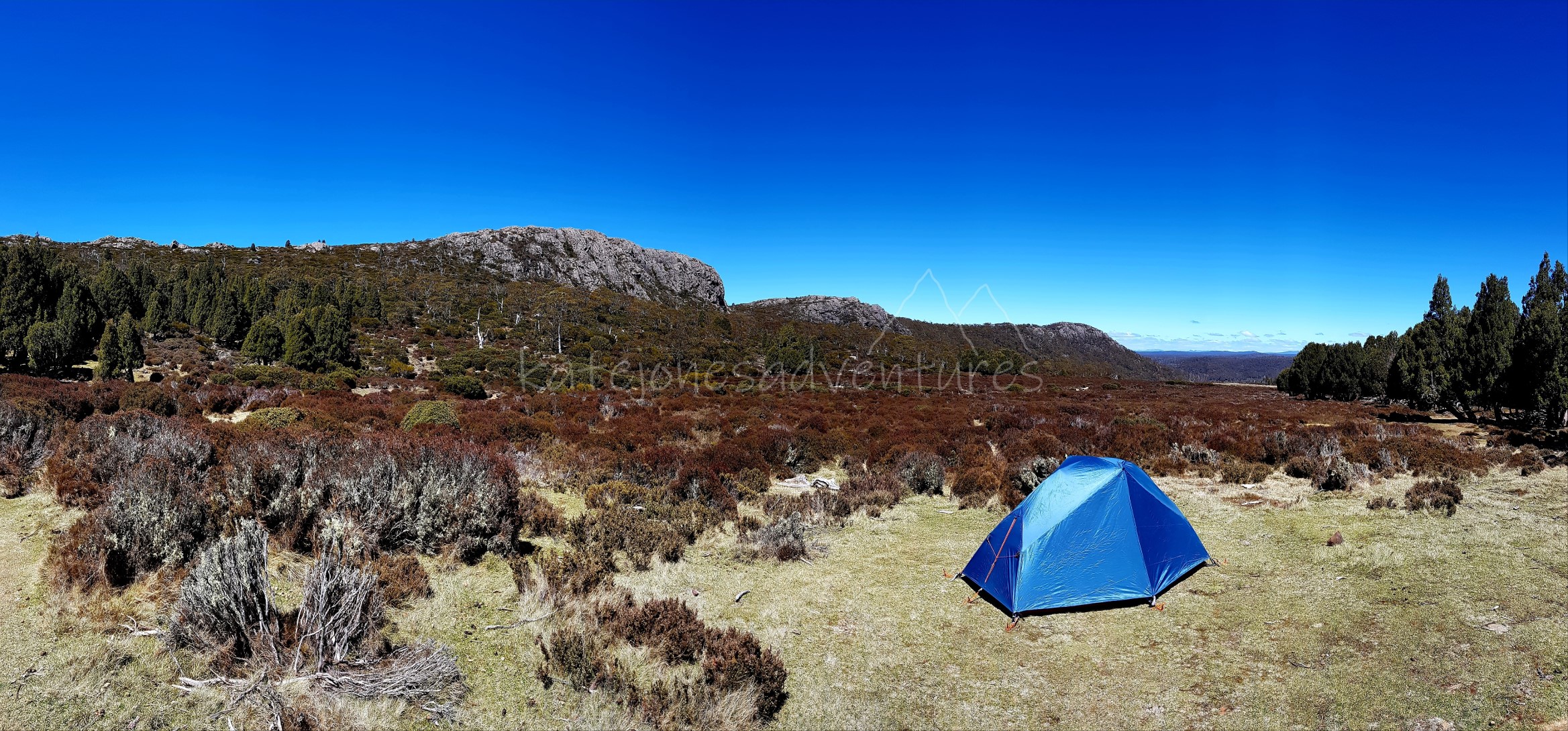
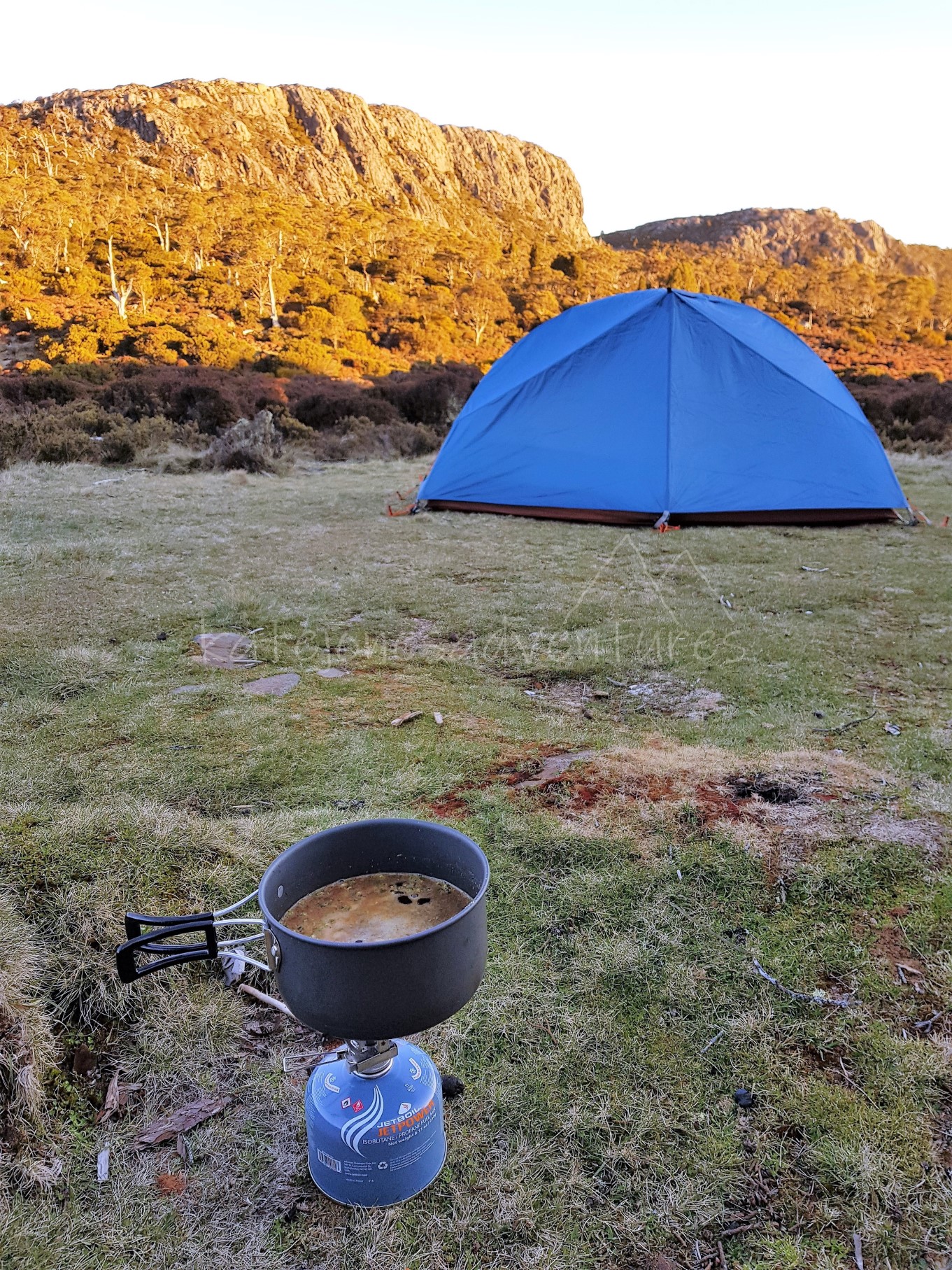
I set up my brand new Mont Moondance tent with a stunning view over Jaffa Vale as the overnight wind forecast was not expected to be extreme. There was only two other parties set up for the night, two tents and a total of three people, all spread out and isolated. It really felt like I had the place to myself.
After enjoying lunch, I backtracked up to Damascus Gate to enjoy the side trips of The Temple and Solomons Throne. Both trips are just over a 1km and involve steep ascents in order to reach the top. Given both peaks are above 1400m, they are not for the faint hearted and may cause you to go weak at the knees.
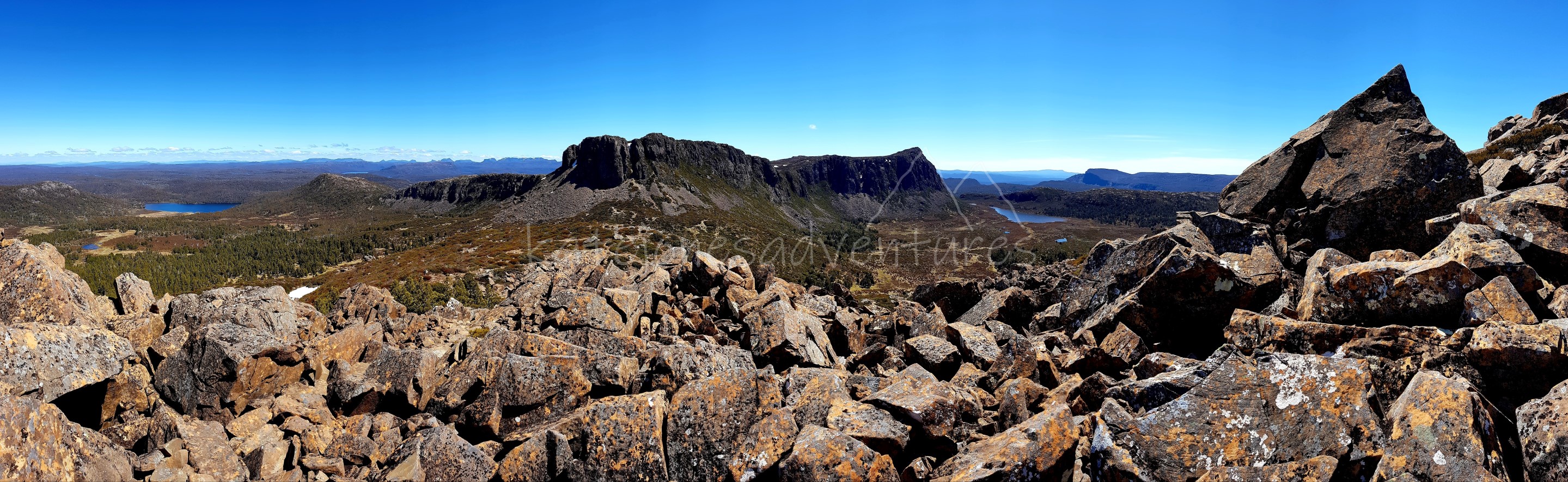
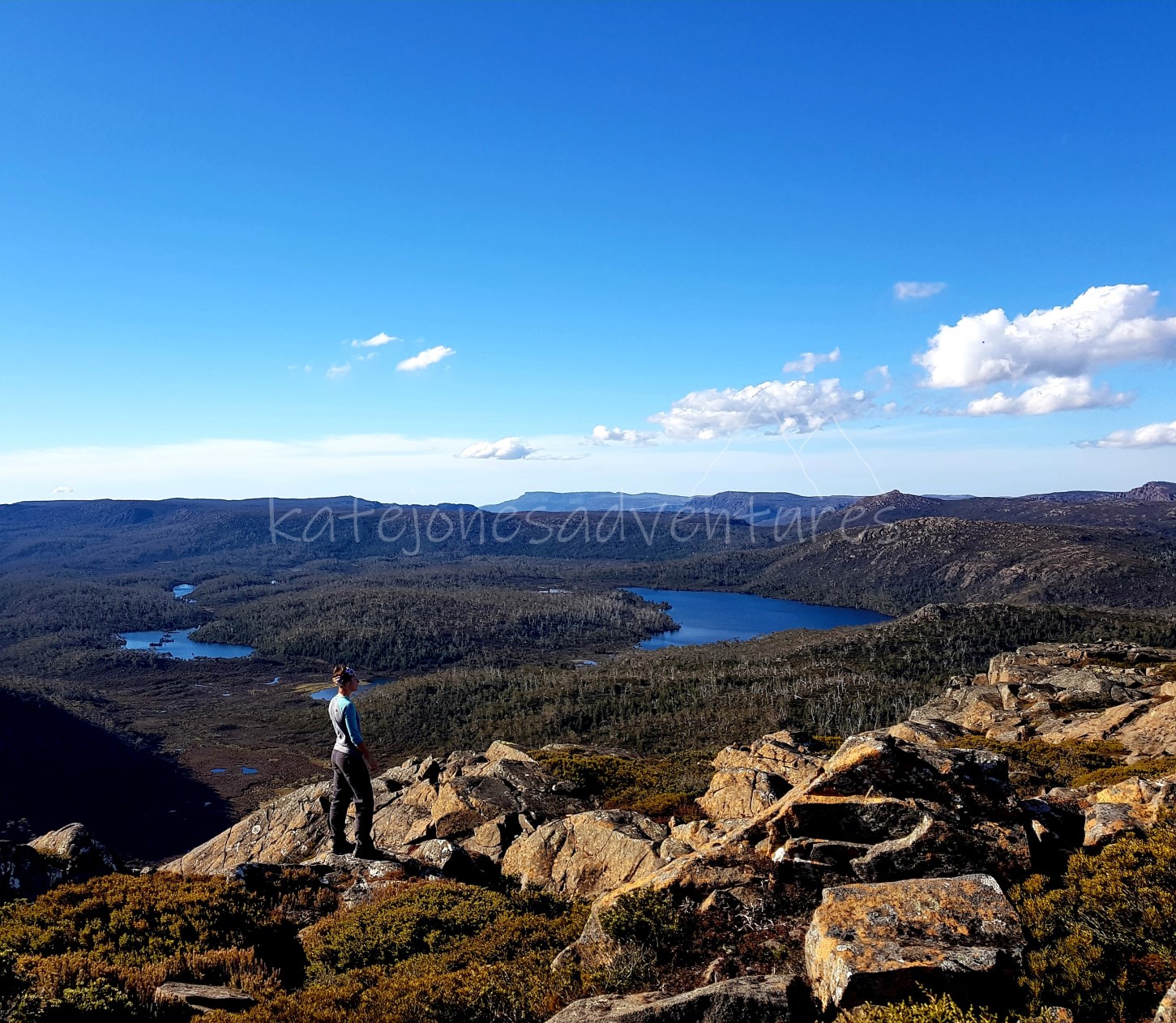
On the way up The Temple, there’s a fair bit of rock and boulder hopping, so plenty of balance is required. At the top of The Temple, I continued further to the east for amazing views over Mt Jerusalem, the Valley of Hinom and lakes, Tyre and Thor. There is also views to the south west of Lake Ball, and west to Solomons Thone, King Davids Peak, Wailing Walls and Damascus Vale.
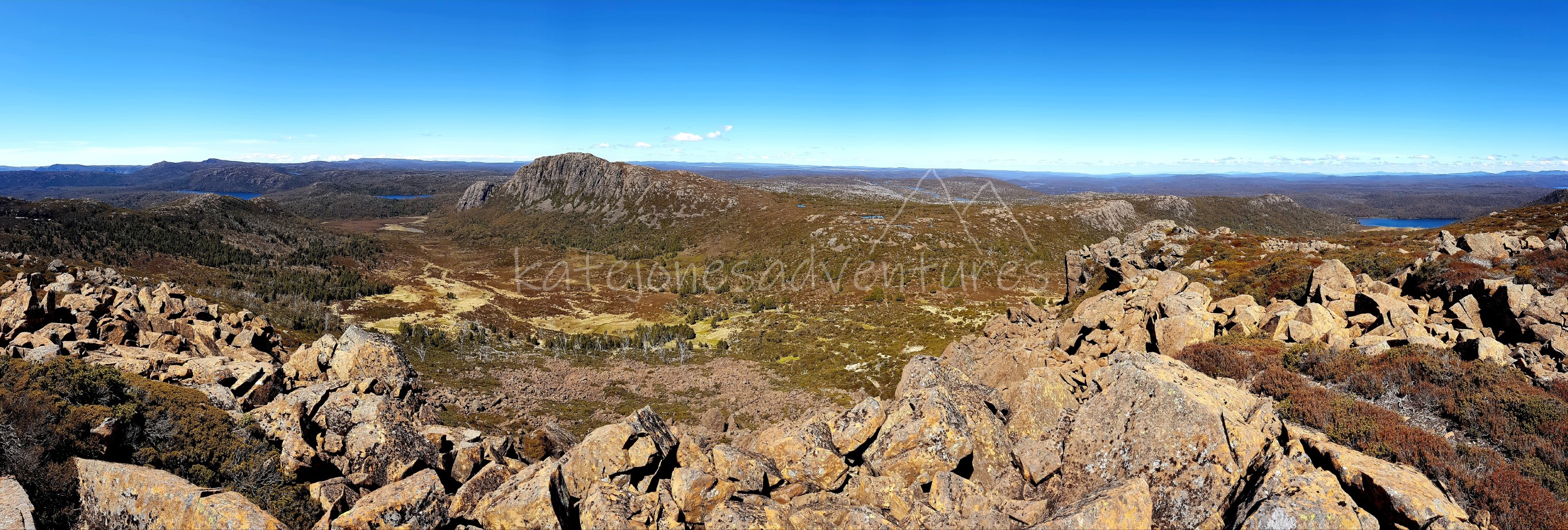
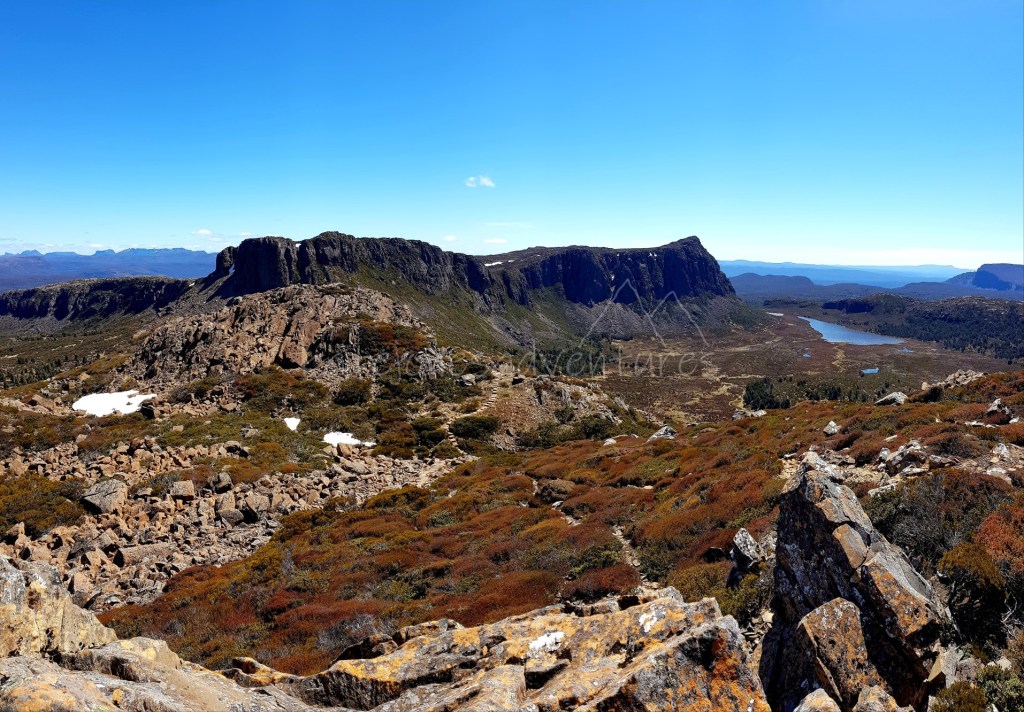
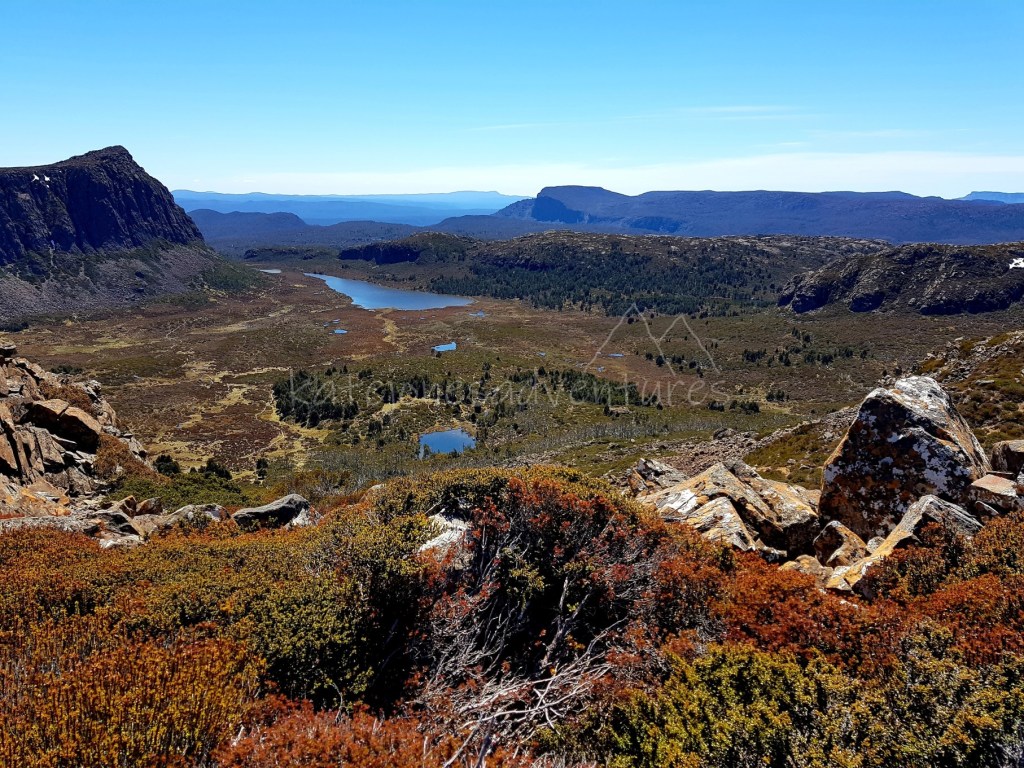
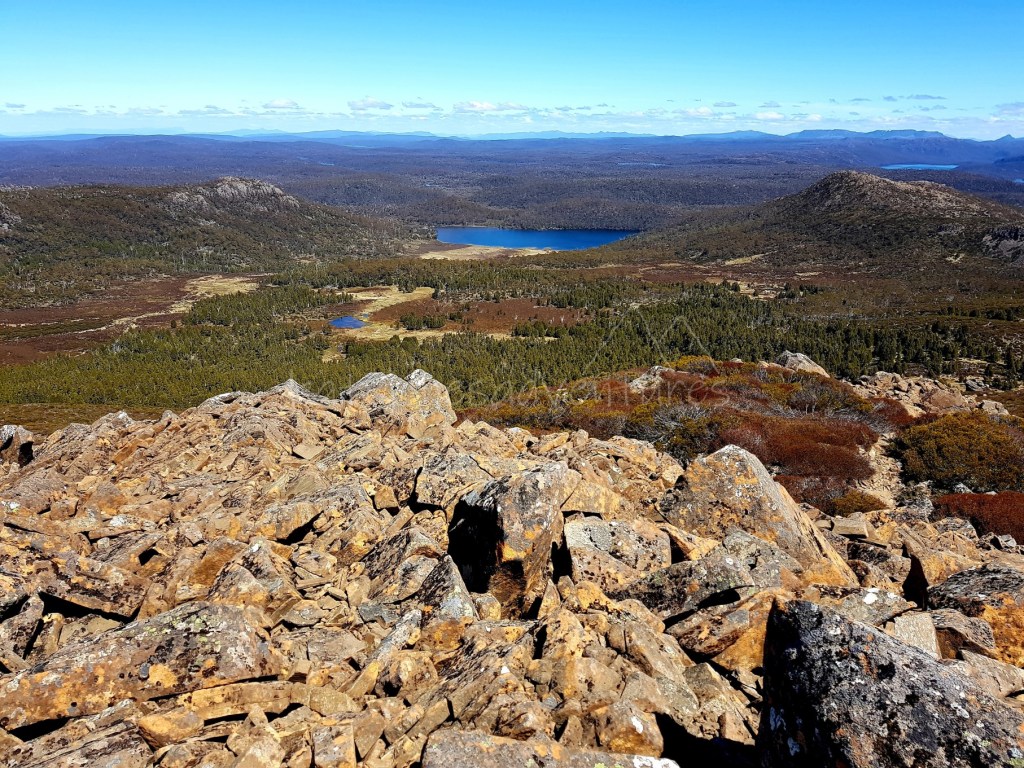
For those keen to climb to Solomons Throne, take your time and keep to the marked track. There has been a lot of work put in to moving rocks to provide flat steps, and although it’s easy enough to follow, you are going to be traversing below a cliff face. The steps heads west to a steep gully. When I visited there was snow covering the gully and it appeared to be impassable.
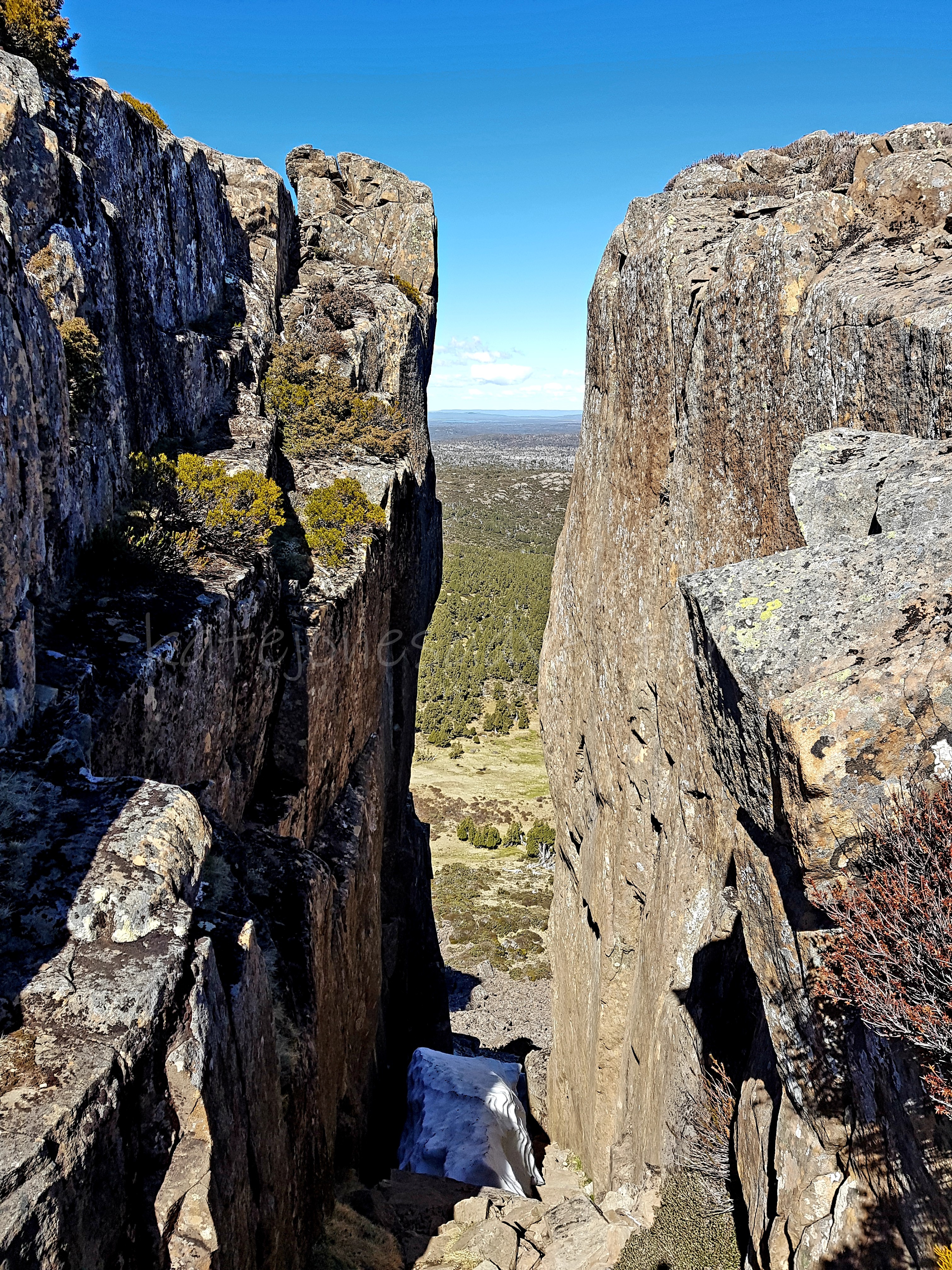
Moments before ascending, I met a woman who had tried to summit but was unable to get past the snow. When I reached this point, I almost turned around as well. Thankfully, a couple of footprints caught my eye and I spotted a way. Through a passage, between a snow wall and cliff face, I squeezed my way up to the top.

About 100m from the gully and passed the top of a closed track is a rocky tower which looks like a throne. From here there are spectacular views over the valleys of the Walls of Jerusalem. You can see all the previously mentioned peaks and lakes, plus to the west are the mountains of the Cradle Mountain – Lake St Clair National Park.

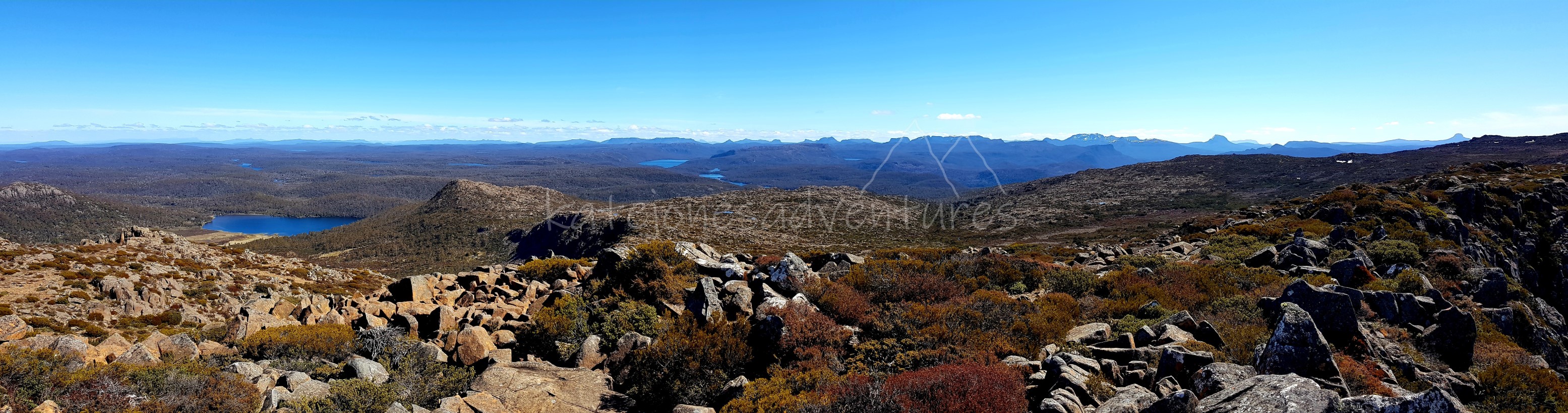
By the time I returned to Dixons Kingdom, it was only 4pm and given it was Daylight Savings, I decided I would head to the top of Mt Jerusalem. From the hut, the boardwalk path passes through Jaffa Gate where it becomes rocky and climbs onto a knoll at the edge of the plateau. During the gradual climb to the summit you pass a number of tarns which on a still day provides sensational reflections for those into photography.
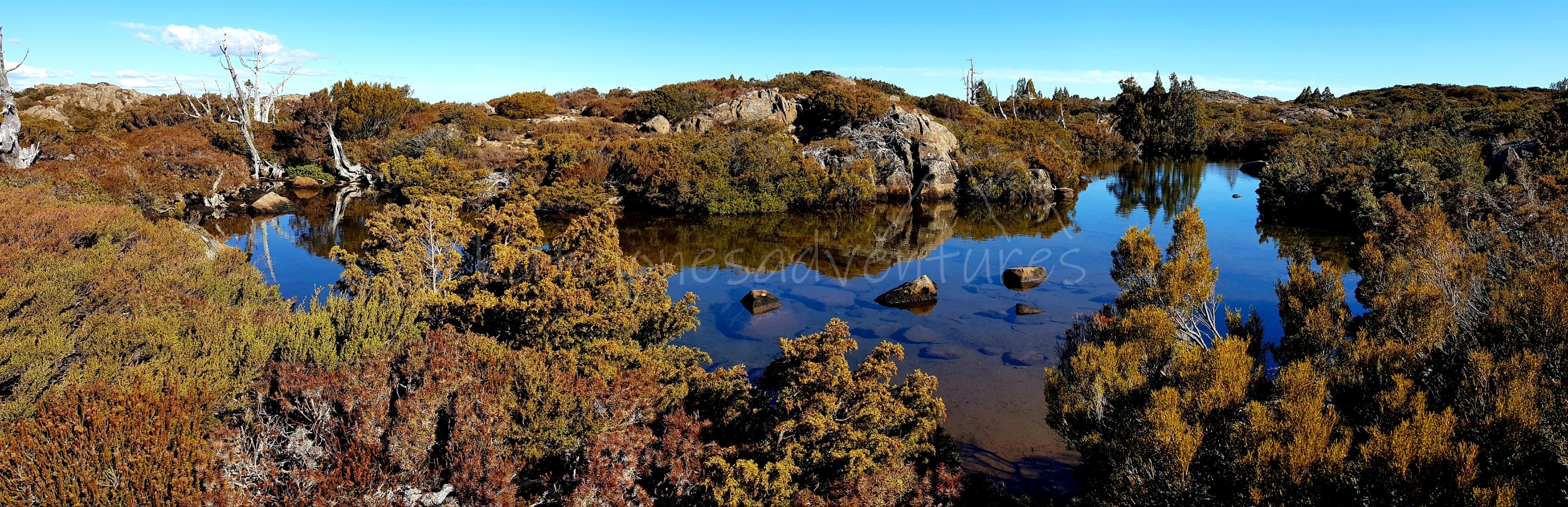
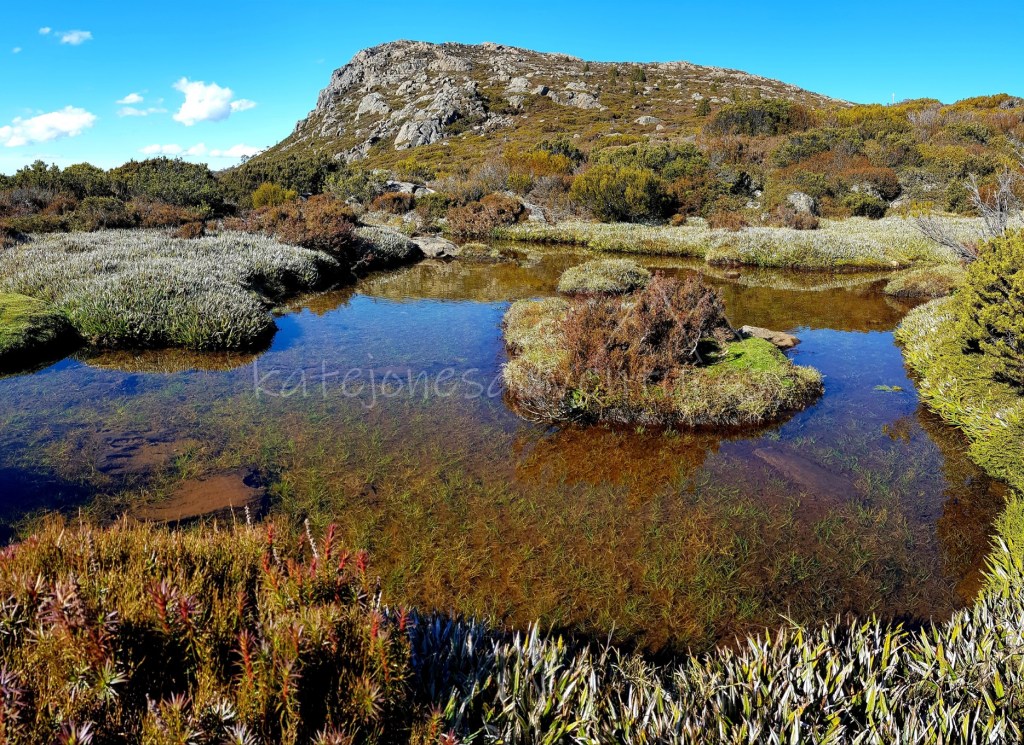
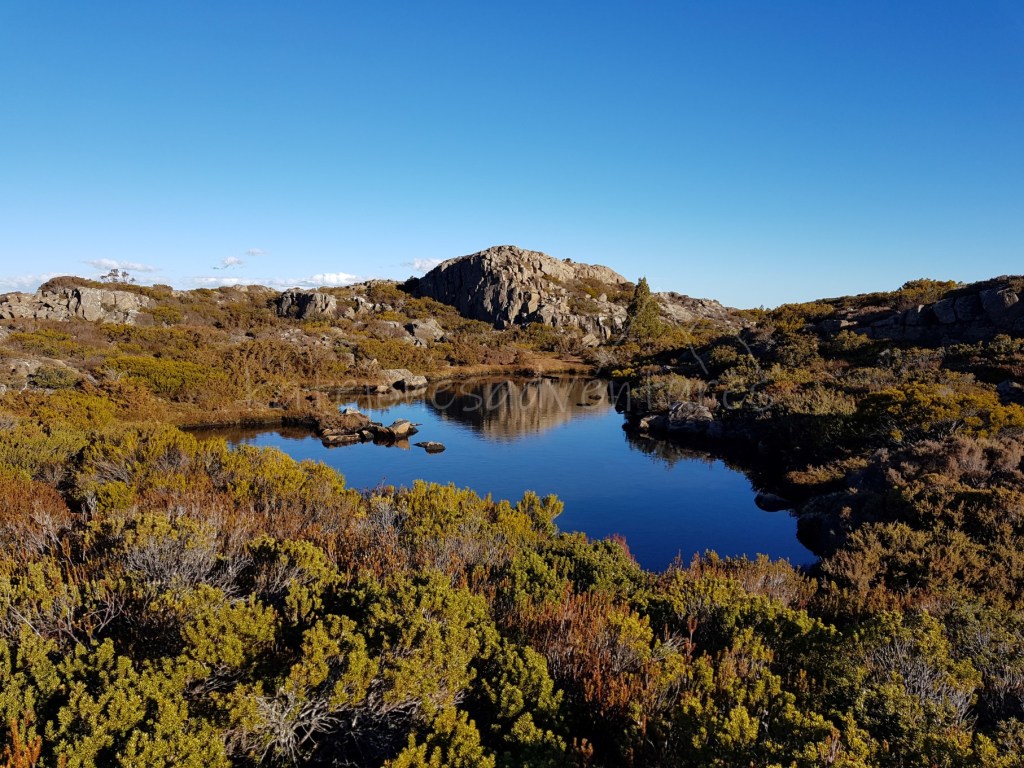
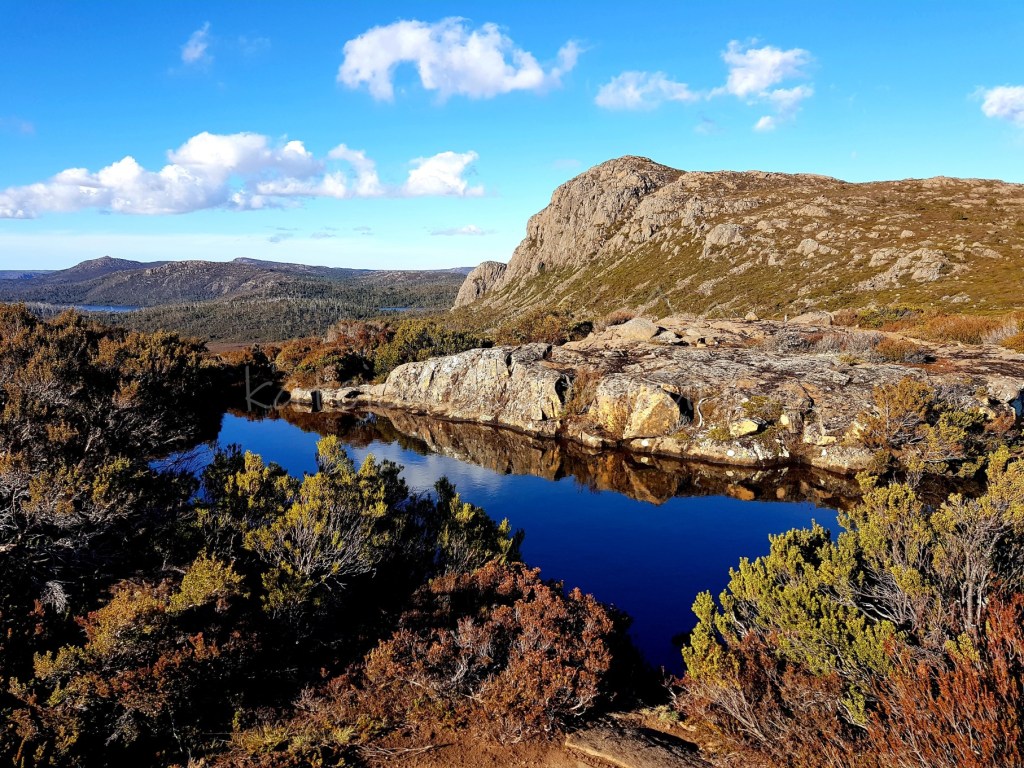
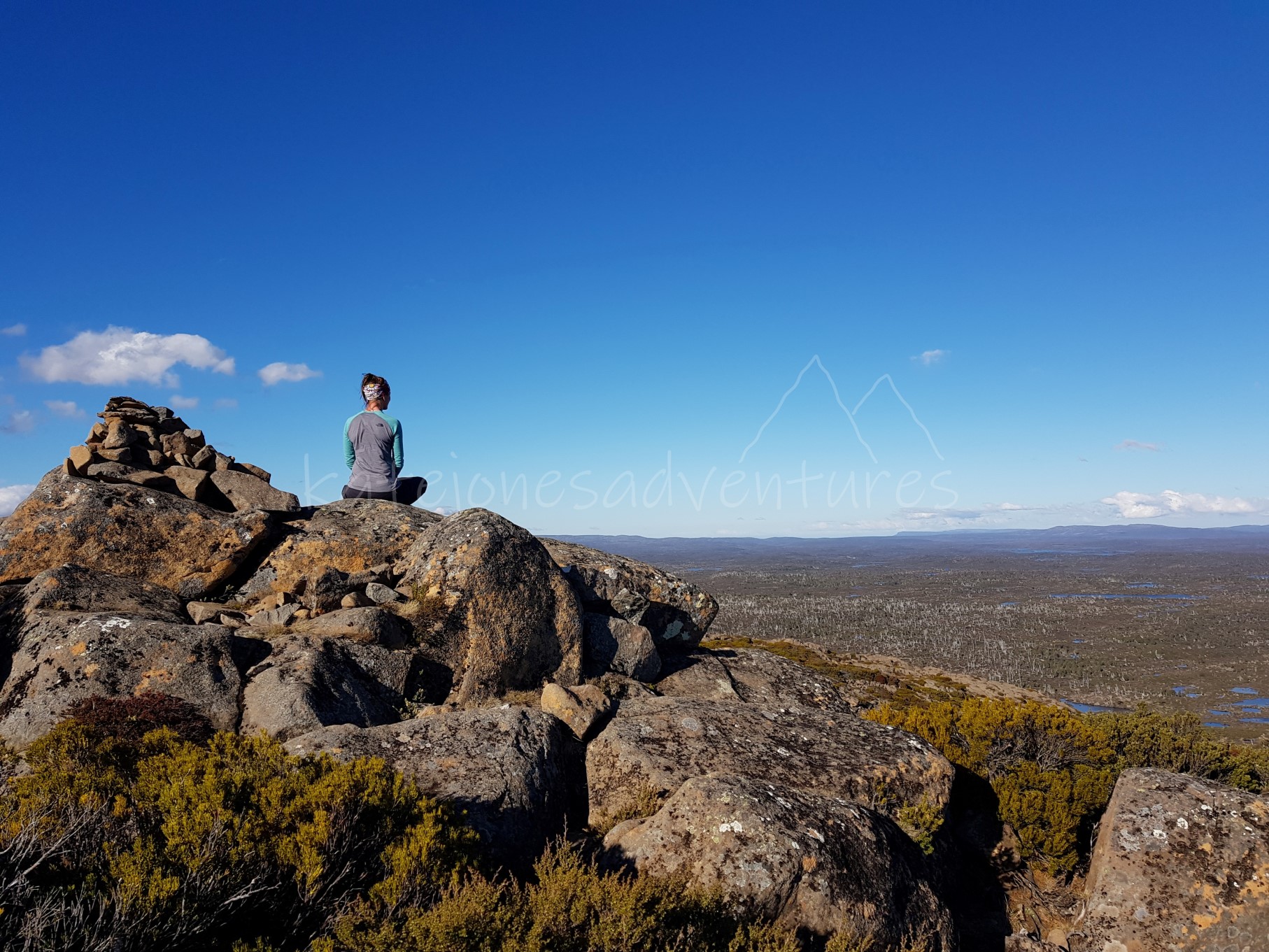
Once at the top of Mt Jerusalem you can really understand just how expansive, remote and isolated this national park really is. I sat here for an hour soaking in the 360 degree view of nearby peaks, lakes and valleys. It’s a place that provides a humbling reminder of just how small we are in comparison to the world around us.
When I arrived back at camp, I enjoyed a yummy dehydrated dinner thanks to Strive Foods. This is my go-to when I am on an overnight hike, or need to pack super light. It’s not like a lots of dehydrated meals where the end result is mush. This is actual cooked meals, that have been dehydrated and seal-locked by a local Tassie company. Definitely worth checking out for your next hike!
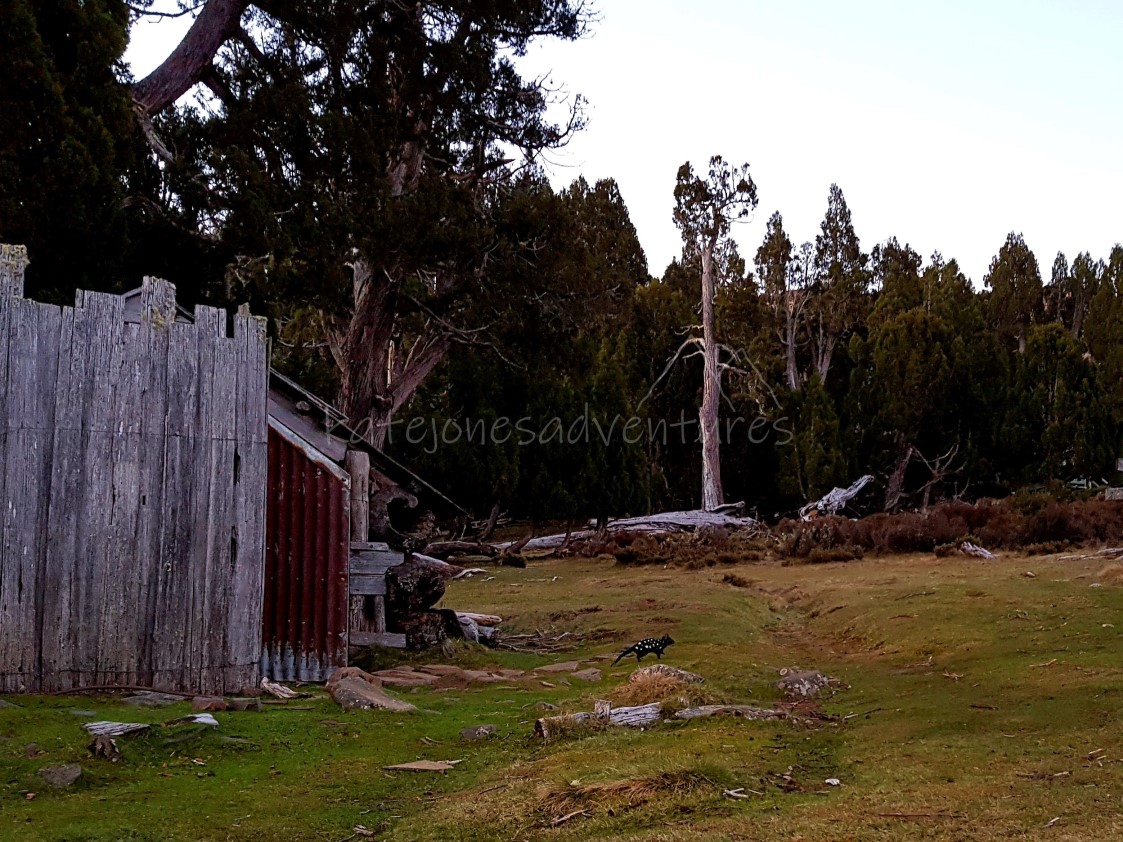
On this topic, it’s really important to make sure you tuck away your food and rubbish during evening. I had the pleasure of watching three tiger quolls, AKA spotted quolls, and several possums scamper around camp looking for something to eat. I had my food inside a zip-lock bag, inside a cooler bag, inside my backpack and nothing got taken. Also remember to leave no trace, so whatever you carry in, you must carry out!
Given I had walked almost 20km and climbed 1250m, I slept pretty soundly that night. The next morning I was not sure what kind of weather conditions I would wake up because the predictions were for rain and storms. Thankfully it was a beautiful morning which meant I enjoyed a leisurely start to the day and packed down my tent as the clouds started to roll in.
I headed out bound for the carpark about 9.30am and it took me just on two and a half hours to make it back. It was a different walk with the clouds creating a moody atmosphere that certainly changed the feel of the walk from Wild Dog Creek to the snarers’ hut. While I really loved the way the Walls of Jerusalem lit up in the sunshine, I’m glad I was able to experience the area during a turn in the weather.
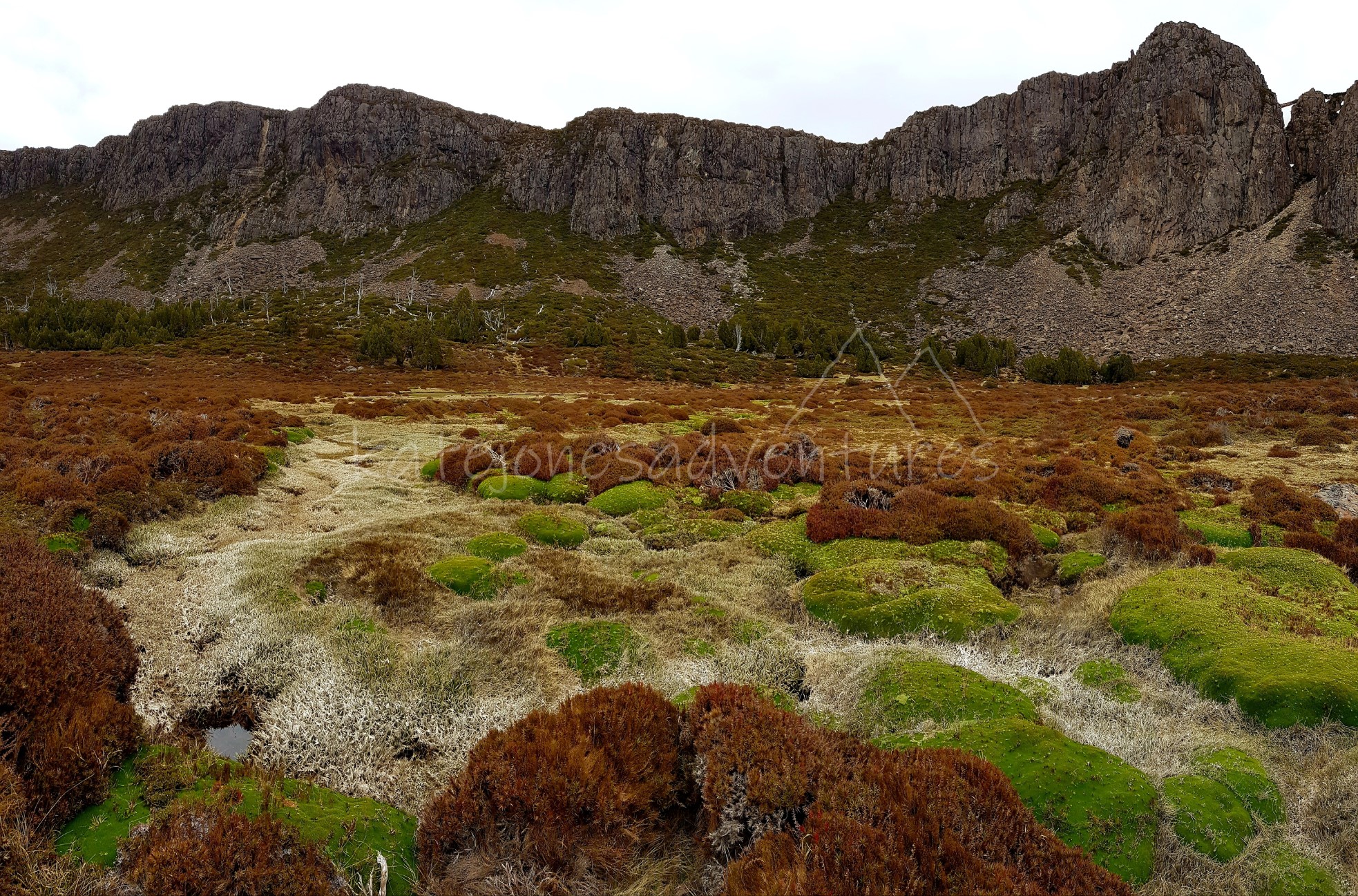
The section through the valley, below the West Walls, is extremely exposed and in high winds and rain, it would be a horrible experience. It really pays to know what weather conditions you’re expecting, and if you choose to proceed with your walk, it’s so important to be prepared and ready to handle anything Mother Nature throws your way.
Walking the Walls of Jerusalem National Park is a must do for any outdoor enthusiast. Not only is the scenery unlike any other, but the remote isolation of the trails in this area is something that is becoming harder to experience. The flow on affect of the social world and the push for tourism to stretch deeper into the wilderness means we’re losing more and more of this almost untouched world.
The human spirit needs places where nature has not been rearranged by the hand of man.
Happy Hiking!
NOTE: I am a qualified guide and outdoor educator trained in bushwalking and navigation with remote area first aid skills. I do not recommend that you attempt to same itinerary and hike the Walls of Jerusalem without similar experience or a professional guide.

 katejonesadventures
Leave a reply to Colleen Pickering Cancel reply