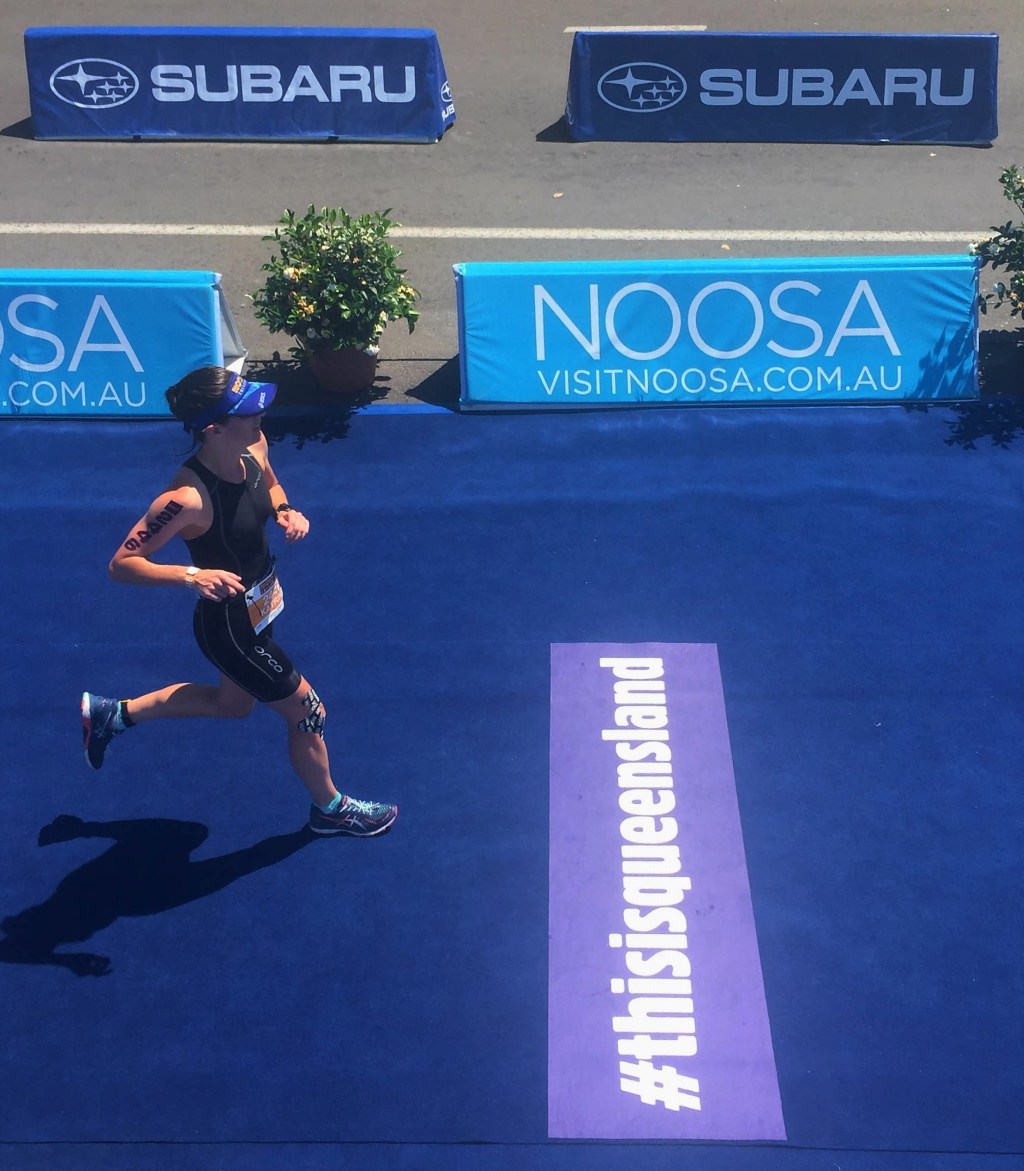
I’m not telling you it’s going to be easy. I’m telling you it’s going to be worth it.
The race: Noosa Triathlon – October 30, 2016
The goal: Cross the finish line in sub-three hours
The aim: Survive the swim (my weakest leg), go all out on the bike – a flat, fast course – and battle the Queensland heat during the run to bring it home.
RACE RESULTS
| Official | 02:52:44 |
| Swim (1500m) | 00:36:34 |
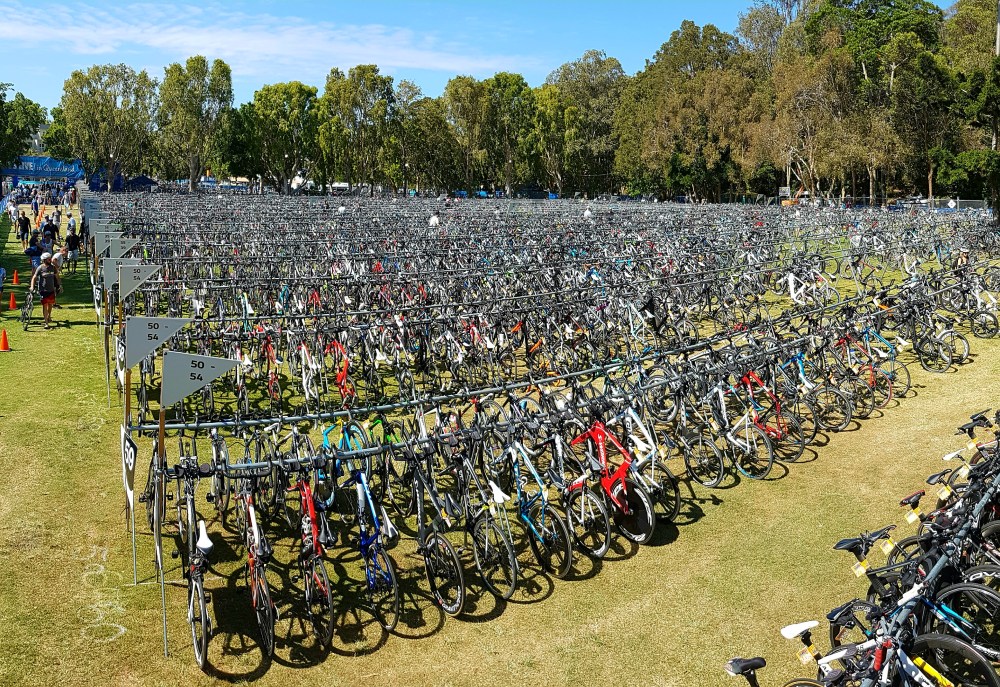
| Transition #1 | 00:03:23 |
| Bike (40km) | 01:18:04 |
| Garmin KOM (3km) | 00:08:39 |
| Transition #2 | 00:03:22 |
| Run (10km) | 00:51:19 |
| Overall Rank | Category Rank | Gender Rank |
| 2002 from 4074 finishers | 50 from 168 Finishers | 311 from 1171 Finishers |
RACE REPORT
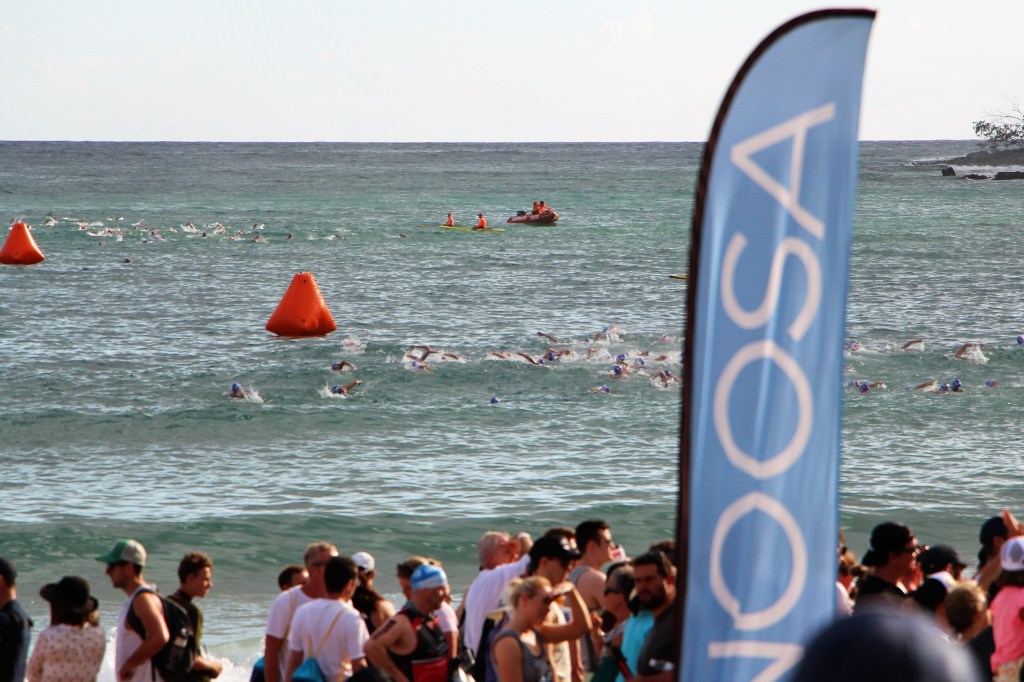
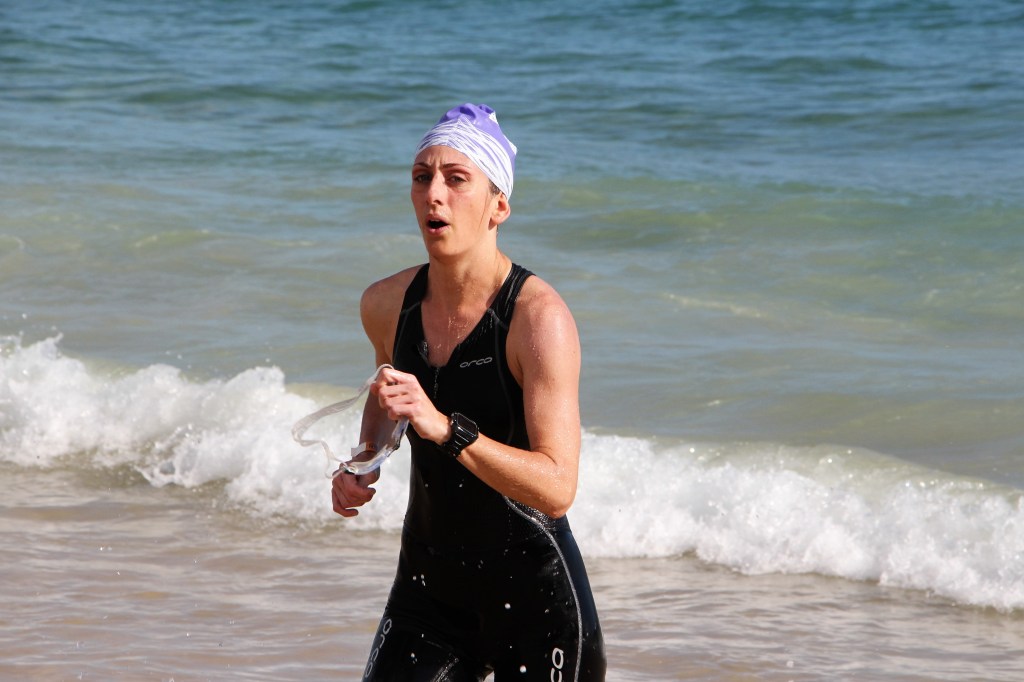
Swim Always my weakest leg, the swim was also my greatest fear leading into Noosa. Having trained in the pool and only completed a handful of swims in freezing, cold open water, I was dreading the 1.5km in the ocean. Thankfully, I started the race mentally switched on and calm. A few days ahead of the event, I tested the water with a quick dip. It was warm, unlike the cooler temperatures experienced during training in Sydney. The water was crystal clear, and although the swell took some getting used to, I felt good. On race day, there were just under 140 women, aged 30-34 years, in my wave which started at 6:53am. About 200m into the swim I copped a mouth full of water and I started to panic. Like, really, freak out! I treaded water and desperately tried to gather myself together. The key was to get my heart rate to drop and settle my breathing. In the 30 seconds or so I was bobbing up and down, trying to still my beating heart, I realised I needed to change up my swimming style to get through the next 1300m. Normally, every three strokes, I breathe, and it was not working out for me. Rather than shifting to breaststroke and backstroke for the rest of the leg, I shifted to two strokes, one breath. Success! The rest of the swim was quite enjoyable as I made my way past and around the line-of-sight and turning buoys. Even though it wasn’t great to have the next wave, and the wave after that, catch me in the water, I am proud that I kept my determination and I didn’t bow out. While it wasn’t the fastest or smoothest swim, I finished in 00:36:34. Something important to note, the GPS tracking of many competitors actually recorded the swim leg as being approximately 1700m, so given that fact, I’m actually really happy with my time!
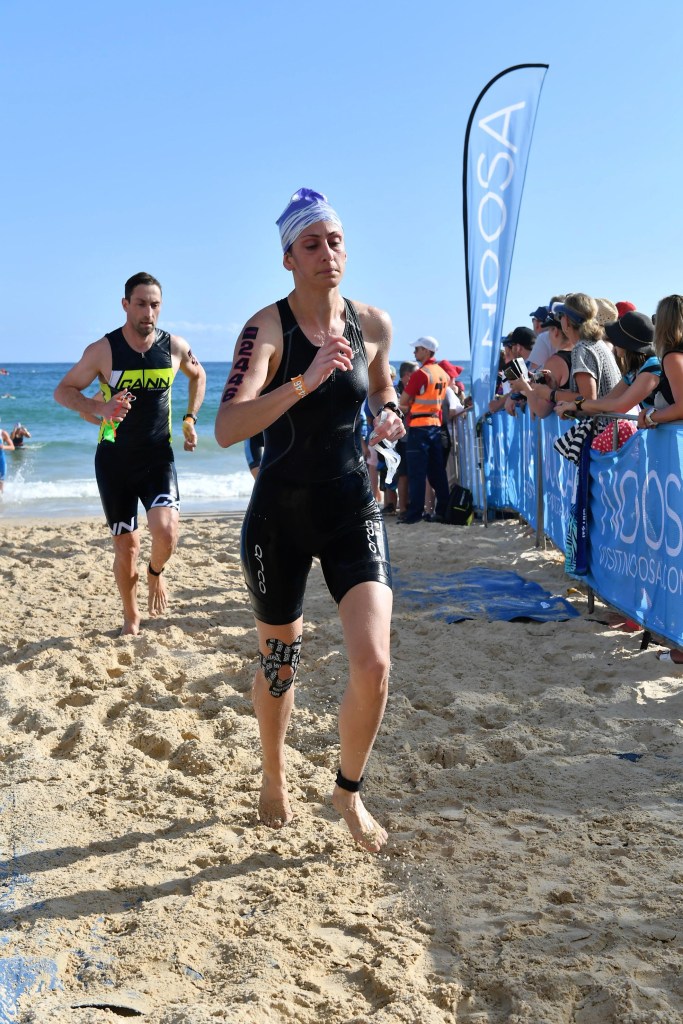
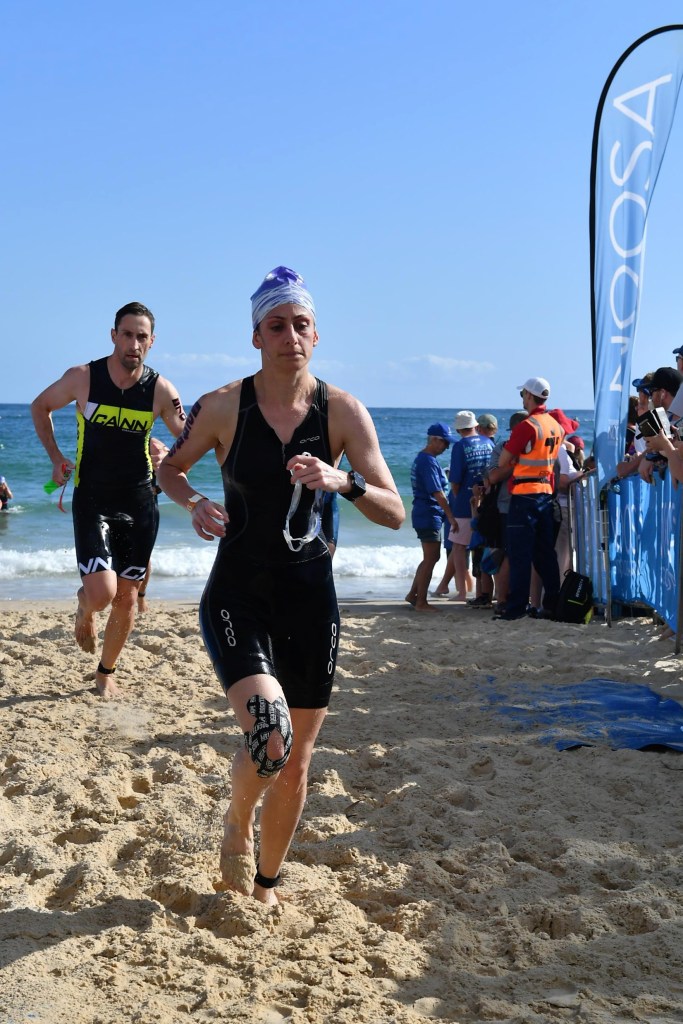
Transition #1 From the end of the swim to my bike (row 13 / 30-34 years), it was about a 400m run. After ditching the goggles and swimming cap, I jumped on my pre-laid out towel, as I threw on my helmet and sunnies. Quickly I wiped as much sand off my feet as possible and chucked on my socks before my cycling shoes – I’m not quite pro level where I can start the ride bare foot and slip into pre-clipped shoes! Thankfully the position of my bike was close to the transition entry and exit, and I was away within 00:03:23.
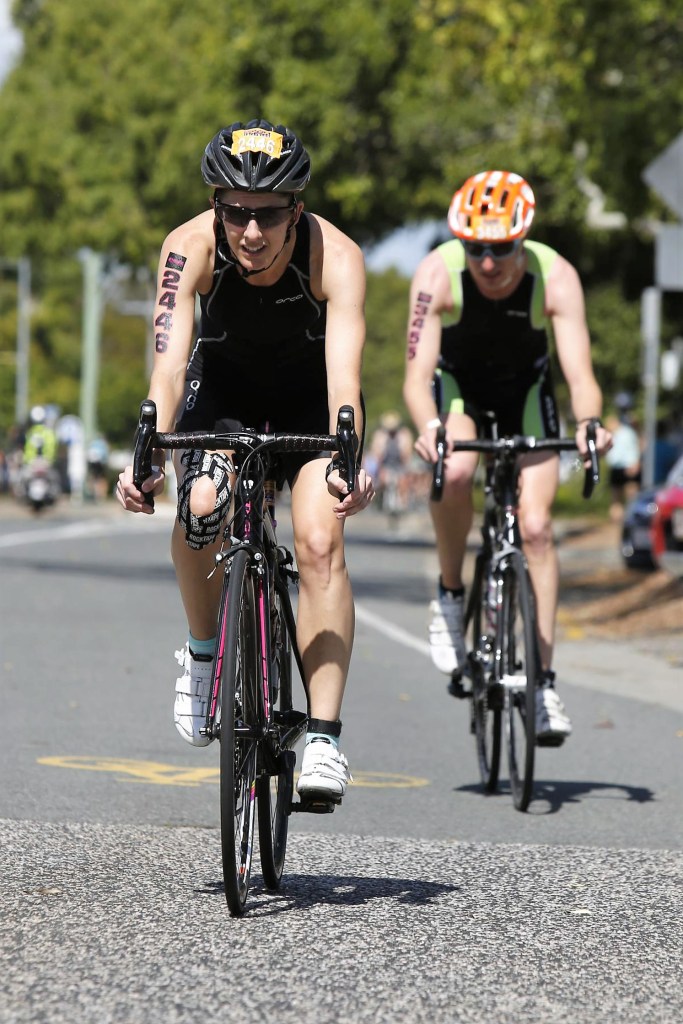
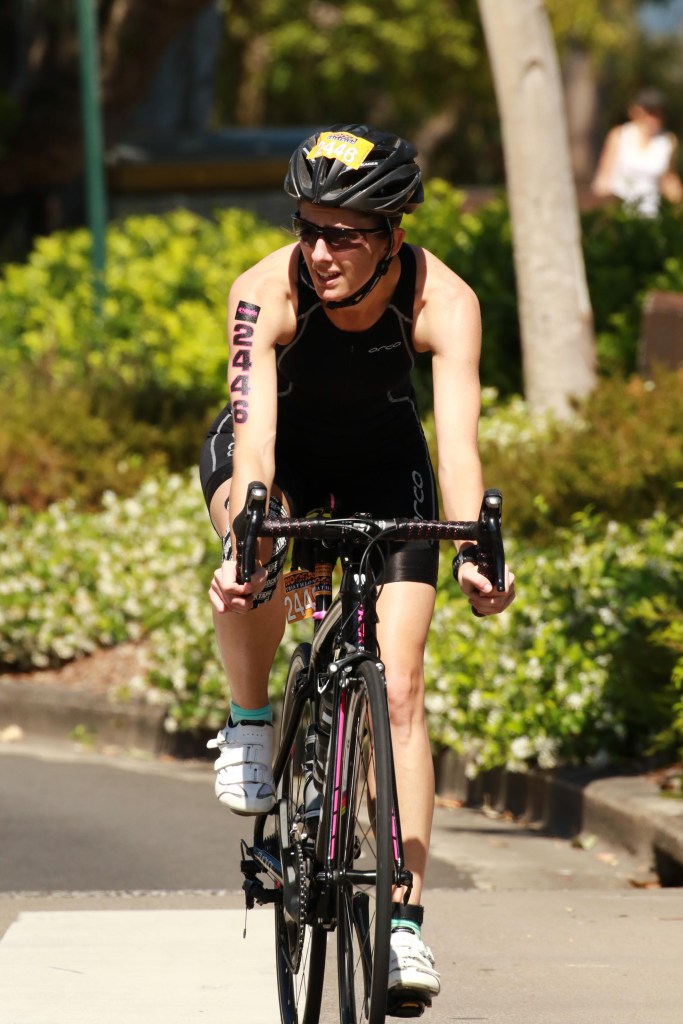
Bike The best piece of advice I could offer anyone doing an Olympic distance, is to familiarise yourself with what lies ahead, particularly if you can head along with a local. Thankfully a few days before the race, I managed to squeeze in a test ride and it helped immensely. The 40km bike leg ended up being my best despite cramping in my right leg towards the end. Normally I wouldn’t ride almost 40km sitting on my drop bars, but it made me feel much stronger than sitting on top of my handlebars. It meant my body was cramped together more than usual as my bike is not set up for me to sit in this position for such an extended period of time. I finished the ride in 01:18:04 which is an average of 30km/h which is good for me! On the Garmin King of the Mountain, 3km section, I did a time of 00:08:39, and it was all thanks to the pre-race ride. I knew there was 14 turns and three big corners at the end before the top, so I could pace myself. It was also helpful having ridden the big downhill section because it meant I was more confident when I reached 72+km/h. The handlebars were shaking and there was a massive cross wind, but I held on for dear life and stayed off the brakes as much as possible. There was no drafting on the bike leg (unlike our training ride) so there were a few sections I had to gather as much strength together as I could to push through. Although I was being overtaken every so often by much stronger riders on super expensive and fast tri bikes, there wasn’t a moment I felt like I couldn’t make the finish, and bring it home strong.
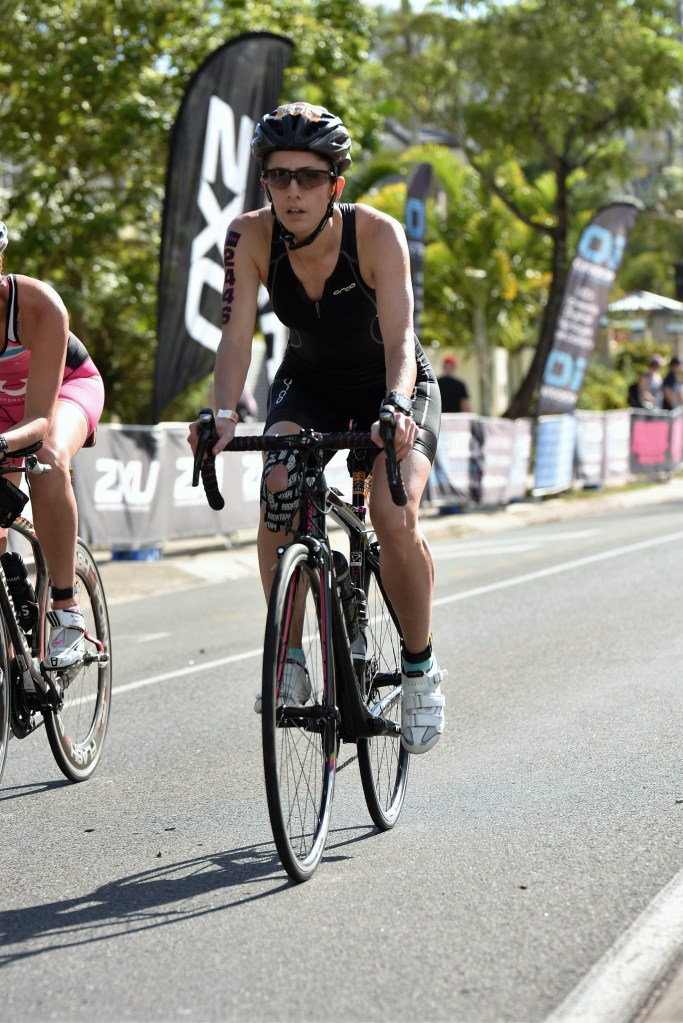
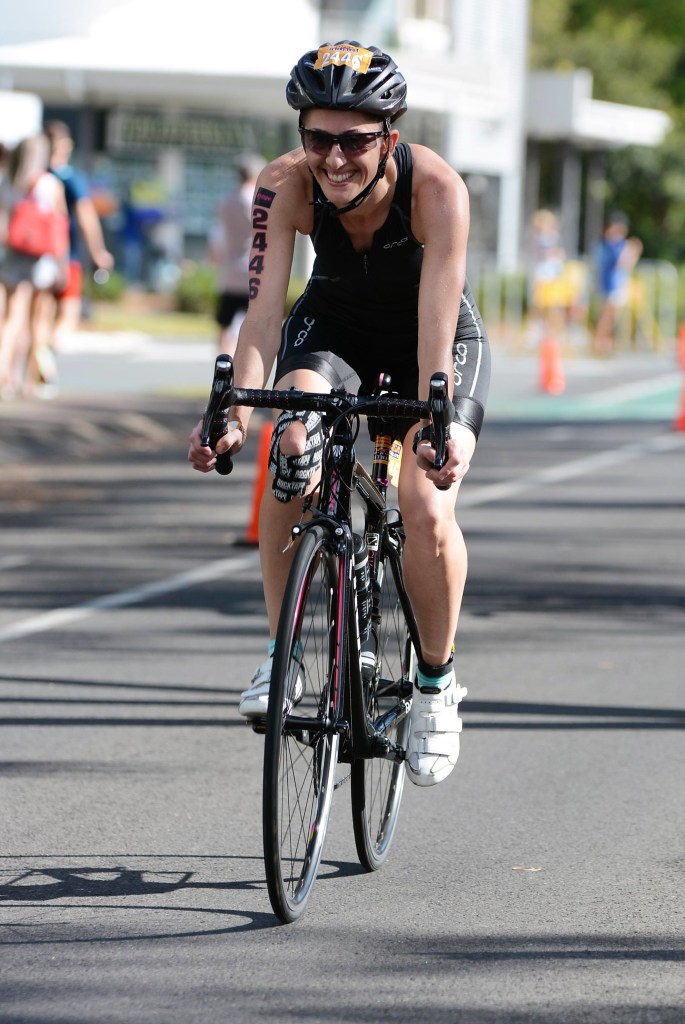
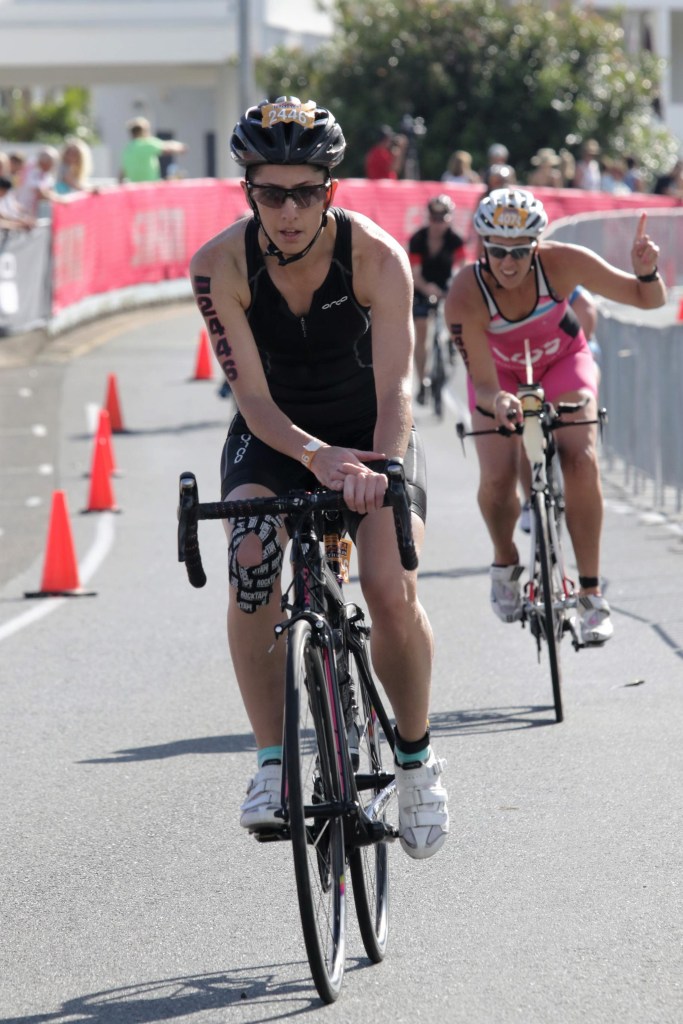
Transition #2 With just a short run of the bike to my transition spot I should have completed this section quickly. Unfortunately, I stupidly put my race belt and rider number on the top of the bike rack, and I was nearly on the run course when I remembered I had left it behind. I should have kept going and not worried, but instead I jumped the fence and collected it. Then I jumped the fence to get back on track. I probably could have got disqualified because I didn’t follow the course the second time around. Given it took me 00:03:22 (probably 30 seconds longer than it should have) I definitely learned a lesson in regards to making sure my gear is all set up in transition together.
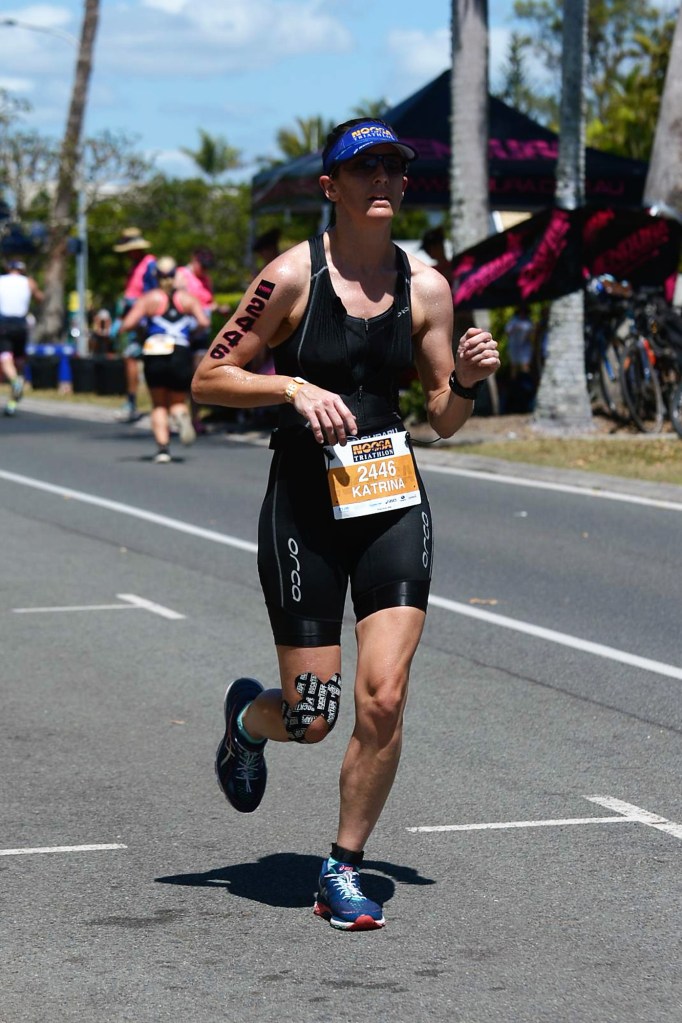
Run Normally my strongest leg, I was hoping to run sub-50 minutes for the 10km. While it didn’t go quite to plan, I did run 00:51:19 which is an average of 5:08 minute kilometres. I struggled to stretch out my legs due to the pain in my groin so I pushed only as far as my body could take to make it to the end. Determined not to walk, I set my mind to focus on getting through just one kilometre at a time. Setting little goals like this is a great way to get through anything. Little steps which are manageable and easy enough to accomplish will help you to forget about the bigger, painful picture.
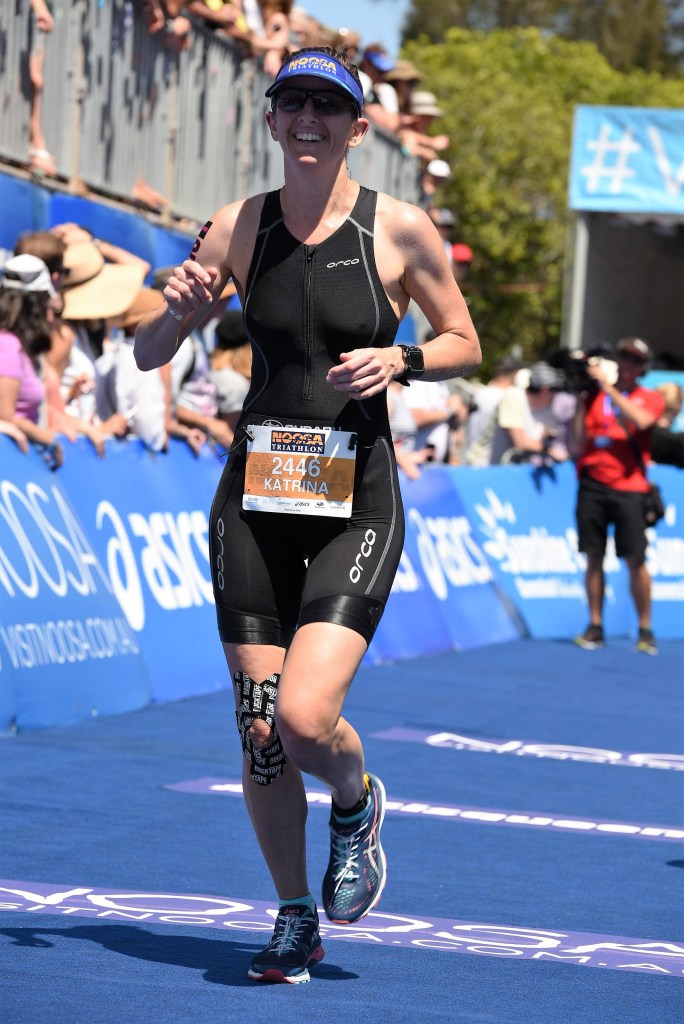
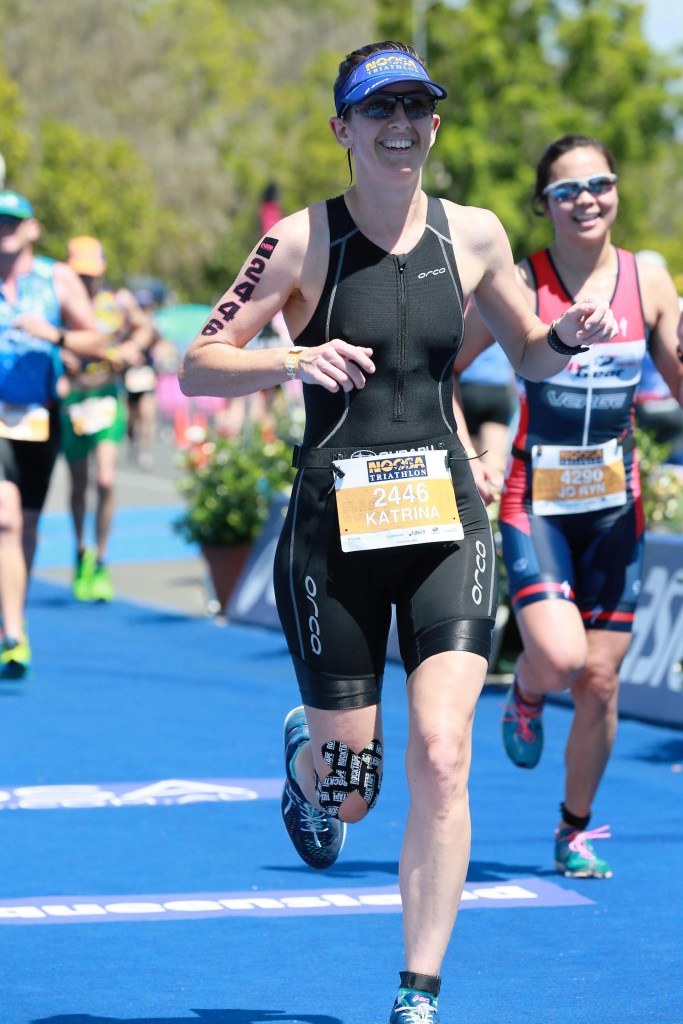
What I learned ….. Mental strength is just as important as physical strength. While prepping for the big day, train your mind just as much as your body and you will be able to achieve anything.
 katejonesadventures
Leave a comment